The world of video game collecting is more vibrant and dynamic than ever, shifting faster than a speedrunner’s best time! What started as a niche hobby for nostalgic gamers has exploded into a multi-billion dollar industry, attracting new enthusiasts every day.
I remember back when finding a classic cartridge meant sifting through dusty bins at garage sales; now, we’re talking about online auctions reaching eye-watering figures for sealed, graded games.
It’s genuinely exciting to see titles we grew up loving being recognized as cultural treasures, but this boom also brings new challenges and fascinating trends.
With physical media slowly fading in new releases, the demand for older, tangible games is only intensifying, making our beloved collections even more precious.
We’re also seeing a fascinating cross-generational appeal, where younger players are discovering the magic of retro titles for the very first time, fueling a fresh wave of interest in everything from NES to PS2 classics.
But what does this mean for the future of our cherished hobby? Are prices going to keep soaring, or is there a bubble waiting to burst? Let’s dive deeper and find out exactly what’s shaping the video game collecting market right now.The world of video game collecting is more vibrant and dynamic than ever, shifting faster than a speedrunner’s best time!
What started as a niche hobby for nostalgic gamers has exploded into a multi-billion dollar industry, attracting new enthusiasts every day. I remember back when finding a classic cartridge meant sifting through dusty bins at garage sales; now, we’re talking about online auctions reaching eye-watering figures for sealed, graded games.
It’s genuinely exciting to see titles we grew up loving being recognized as cultural treasures, but this boom also brings new challenges and fascinating trends.
With physical media slowly fading in new releases, the demand for older, tangible games is only intensifying, making our beloved collections even more precious.
We’re also seeing a fascinating cross-generational appeal, where younger players are discovering the magic of retro titles for the very first time, fueling a fresh wave of interest in everything from NES to PS2 classics.
But what does this mean for the future of our cherished hobby? Are prices going to keep soaring, or is there a bubble waiting to burst? Let’s dive deeper and find out exactly what’s shaping the video game collecting market right now.
The Mystifying Allure of Graded Games and the Pursuit of Perfection
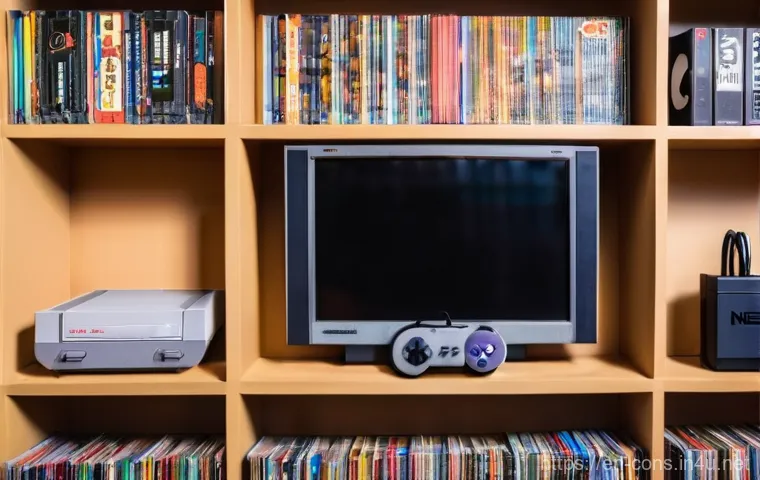
Understanding the Grading Phenomenon
It feels like just yesterday we were all laughing at the idea of getting a video game professionally graded, didn’t it? I mean, who would’ve thought? But here we are, and it’s become an undeniable, massive part of the video game collecting scene.
If you’ve been around for a while like I have, you’ve probably seen a shift in how serious collectors approach their prized possessions. It started in comic books and trading cards, and now it’s fully immersed in our world.
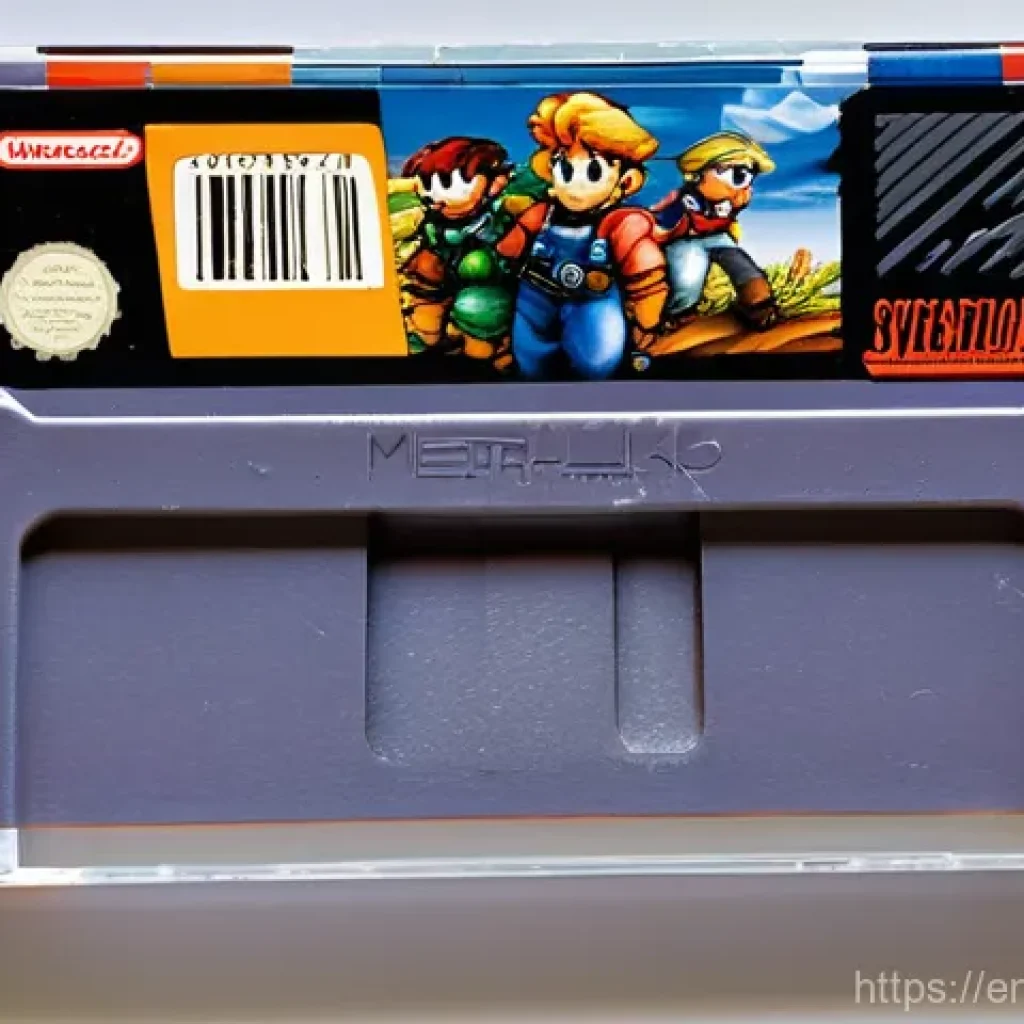
Companies like Wata Games and VGA have popped up, offering to encapsulate your factory-sealed or even loose cartridges in tamper-proof cases, assigning them a numerical grade based on condition.
Suddenly, that copy of *Super Mario 64* you found in phenomenal shape isn’t just a game; it’s a potential investment, a museum piece, a testament to preservation.
I remember when I first heard about games going for tens, then hundreds of thousands of dollars because they were graded 9.8 A++ condition. My jaw dropped.
It fundamentally changed the game, pardon the pun. It’s no longer just about having the game; it’s about having the *best* version of it, documented and certified.
This pursuit of perfection has certainly added a layer of professionalism, and let’s be honest, a hefty price tag, to what used to be a very casual hunt.
Is High-Grade Collecting Worth the Hype (and the Price Tag)?
Honestly, this is where the community gets really divided, and I completely get both sides. On one hand, the prices for top-tier graded games are astronomical.
We’re talking figures that would make even seasoned antique dealers blush. For a lot of us who just love games and want to play them, spending that kind of money on something that’s essentially sealed away forever feels… counterintuitive.
Why own a game if you can’t experience it? I’ve often asked myself that very question. But then, I’ve also seen some absolutely stunning pieces, perfect examples of gaming history preserved for generations.
From an investment standpoint, if you hit it big with a rare, highly-graded title, you could be sitting on a small fortune. I’ve known friends who’ve seen their modest investments balloon into significant assets.
However, it’s not without its risks. The market can be volatile, and what’s highly sought after today might cool down tomorrow. My personal take?
If you have the disposable income and genuinely appreciate the archival aspect, go for it. But for the average collector, don’t feel pressured to dive into the deep end.
There’s still immense joy in finding an ungraded, playable gem for a fair price. The real value is in the joy it brings, not just the number on a label.
Digital Dreams vs. Tangible Treasures: The Evolving Value of Ownership
The Enduring Appeal of Physical Media
In an age where everything from movies to music is streamed or downloaded, it’s fascinating how stubbornly resilient physical video games remain in the collecting world.
For new releases, digital sales are often king, offering convenience and sometimes even pre-order bonuses. But for collectors like us, there’s an almost primal satisfaction that comes from holding a game in your hands.
The weight of the cartridge, the smell of an old instruction manual, the vibrant artwork on a disc case – these aren’t just trivial details; they’re part of the experience.
I personally love gazing at my shelves, seeing all those spines lined up, each one a little portal to a different memory or adventure. It’s something you simply don’t get with a digital library, no matter how extensive.
Plus, there’s the peace of mind knowing you *own* that game, free from the whims of a server shutdown or licensing expiration. We’ve all heard stories, or even experienced it ourselves, of games disappearing from digital storefronts.
That physical copy? It’s yours, forever. This inherent sense of permanence and tangible ownership is, I believe, a huge driving force behind why physical media for older games is more coveted than ever.
When Digital-Only Games Become Collectibles
Now, here’s a twist that always makes me ponder the future of our hobby: what about games that were *only* released digitally? This is a relatively new frontier for collectors, and it presents some unique challenges and opportunities.
Think about all those incredible indie titles that grace digital storefronts like the Nintendo eShop, PlayStation Store, or Xbox Marketplace. Many of them never see a physical release.
So, how do you “collect” them? For years, the answer was simply to own the console and have it downloaded. But as consoles age and digital storefronts eventually close (Nintendo 3DS and Wii U eShops, anyone?), these digital-only gems can become truly lost to time.
This scarcity, albeit a digital one, is creating a new kind of “collectibility.” I’ve seen a growing trend where limited run companies step in, partnering with developers to produce physical cartridges or discs for previously digital-only titles.
These often come in incredibly small batches, making them instantly rare and highly sought after by collectors. It’s a fascinating evolution, blending the digital and physical worlds in a way that respects both the original creators and the enduring desire for tangible ownership.
It really makes you think about how we’ll archive games in the coming decades!
Nostalgia’s Unbreakable Grip: Why We Still Chase Childhood Memories
The Emotional Connection to Retro Gaming
Let’s be real, a massive chunk of our collecting drive, especially for retro games, boils down to pure, unadulterated nostalgia. It’s more than just buying a game; it’s buying a piece of your past, a tangible link to simpler times.
I can’t tell you how many times I’ve picked up an old cartridge, like my *Chrono Trigger* SNES cart, and been instantly transported back to my childhood living room, controller in hand, absolutely captivated.
It’s a powerful feeling, a bittersweet mix of warmth and longing. For many, gaming wasn’t just a hobby; it was a cornerstone of their upbringing, shaping friendships and providing countless hours of escape.
This deep emotional resonance makes these games far more than just plastic and circuit boards; they’re vessels of personal history. And it’s not just about revisiting old favorites.
It’s also about reclaiming lost pieces, like that game your mom sold at a garage sale for pennies, or the one you rented so many times you wore out the label.
There’s a genuine thrill in finally adding that long-lost piece to your collection, completing a puzzle that spans decades.
Rediscovering Forgotten Gems and Underrated Classics
Beyond the big-name, beloved titles, nostalgia also fuels the discovery – or rediscovery – of games that might have slipped under the radar. I often find myself diving deep into forums and YouTube rabbit holes, looking for those hidden gems from systems I grew up with.
Maybe it was a game that was overshadowed by a blockbuster release, or one that was critically panned but actually had a quirky charm. The collecting community thrives on this kind of exploration.
We love sharing our finds and championing titles that deserve a second look. I remember picking up *Panic Restaurant* on the NES years ago, a game I barely remembered from a rental store, only to find it’s now a rare, expensive, and genuinely fun platformer.
It’s like being an archaeologist, digging through the sands of time to unearth treasures that others might have forgotten. This constant cycle of discovery keeps the hobby fresh and exciting, proving that even after all these years, there are still plenty of wonderful experiences waiting to be found and appreciated in the vast landscape of retro gaming.
Building Bridges: The Community Driving the Collecting Scene
Online Forums and Social Media: Connecting Fellow Enthusiasts
You know, for a hobby that often involves solitary hunting and quiet appreciation, the video game collecting community is surprisingly vibrant and interconnected.
Before the internet truly blew up, finding like-minded collectors could be a real challenge. Now, it’s a breeze! Online forums, dedicated subreddits, Facebook groups, and Discord servers have become bustling hubs where collectors from all corners of the globe share their latest acquisitions, swap stories, ask for advice, and even trade or sell games.
I’ve personally made some incredible connections through these platforms, learning so much from others’ experiences and insights. It’s where I first got tips on spotting repro carts, learned about regional variants, and even discovered new games to hunt for.
The sense of camaraderie is palpable; whether you’re celebrating a rare find or commiserating over a missed auction, there’s always someone who understands the unique highs and lows of this passion.
This collective knowledge and shared enthusiasm truly enrich the experience for everyone involved.
Local Meetups and Conventions: Where the Magic Happens
While online communities are fantastic for daily interactions, there’s nothing quite like the energy of an in-person gathering. Local meetups, swap meets, and larger conventions like TooManyGames or Portland Retro Gaming Expo are where the real magic happens.
I remember my first retro gaming convention; it was like stepping into a time machine filled with thousands of kindred spirits. The air was thick with excitement, the rumble of classic arcade machines, and the chatter of collectors haggling over prices or admiring each other’s finds.
It’s not just about buying and selling; it’s about connecting face-to-face, sharing stories, and seeing rare games up close that you’ve only ever dreamed of.
These events often feature panels with industry legends, tournaments for classic games, and opportunities to simply hang out with people who “get it.” It’s an irreplaceable part of the hobby, offering a tangible sense of belonging that online interactions, as great as they are, can’t quite replicate.
Plus, it’s always fun to find a local haunt where you can swap stories and show off your latest scores.
Beyond the Hobby: Navigating Video Games as an Investment
Spotting Potential Future Classics
Alright, let’s talk about the elephant in the room: for many, video game collecting isn’t just about nostalgia anymore; it’s also about potential investment.
And honestly, it’s a tricky tightrope to walk. While I always advocate for collecting what you love, it’s undeniable that some games appreciate significantly over time.
The trick, and the challenge, is spotting those future classics. It’s not just about rarity; it’s about cultural impact, playability, and historical significance.
Think about games that were critically acclaimed but perhaps didn’t sell huge numbers, or titles that pushed boundaries in unique ways. Limited edition physical releases of popular indie games are also a strong contender.
I’ve had some successes and some misses myself. My general rule of thumb is to look for games with a passionate fanbase, unique mechanics, or a strong artistic vision that might have been ahead of its time.
It’s a bit like predicting the stock market, but with more pixel art.
Understanding Market Volatility and Risk
As exciting as the investment aspect can be, it’s absolutely crucial to approach it with a clear head and an understanding of the risks. The video game market, like any collectible market, can be volatile.
What’s hot today might not be tomorrow. Remember the huge boom in sealed NES games a few years back? While many still hold value, the initial frenzy has somewhat cooled.
Economic shifts, changing tastes, and even new preservation methods (like official digital re-releases) can all impact prices. My advice, from someone who’s seen a few market cycles, is to never invest more than you’re willing to lose.
Consider your collection primarily as a source of enjoyment and personal fulfillment, with any financial gains being a very welcome bonus. Diversify your collection, focus on quality over quantity, and always do your research before making a significant purchase.
Don’t fall for speculative hype without understanding the underlying reasons for a game’s value. After all, the real treasure is the joy the games bring, not just their potential resale value.
Modern Tech’s Double-Edged Sword: Preservation and Controversy
Emulators and Preservation: Keeping Games Alive
Technology has always played a fascinating role in our hobby, and it’s a bit of a double-edged sword when it comes to collecting. On one hand, emulators and digital archives have become absolutely vital for game preservation.
Let’s face it, our old cartridges and discs won’t last forever, and original hardware eventually breaks down. Emulation allows us to play games from virtually any console on modern PCs or devices, ensuring that these classic experiences aren’t lost to time.
I’m incredibly grateful for the tireless work of preservationists who meticulously dump ROMs, document hardware, and develop emulators. It means that even if I can’t find a physical copy of a super rare game, or if my old console finally bites the dust, I can still experience those historical titles.
This accessibility, in my opinion, actually *enhances* the appreciation for physical collecting. It allows new generations to discover older games, potentially sparking their interest in owning the tangible artifacts.
It’s a beautiful synergy, ensuring that our shared gaming heritage endures.
The Rise of Reproduction Carts and Their Place in Collections
Now, here’s where the “double-edged sword” really comes into play, creating a bit of a contentious topic in the collecting world: reproduction cartridges, or “repros.” These are newly manufactured cartridges that contain a game’s ROM, often for titles that were incredibly rare, unreleased, or fan-translated.
On one hand, repros offer an affordable way for players to experience games that would otherwise be astronomically expensive or impossible to play on original hardware.
I’ve seen some fantastic fan translations of Japanese-only RPGs that allow English speakers to finally enjoy them, and repros are often the only way to get them on a real console.
However, this also introduces a significant risk for collectors. Unscrupulous sellers might try to pass off a repro as an original, leading to buyers unknowingly paying premium prices for fakes.
This is why it’s so crucial to know your sellers, understand how to spot fakes (different PCB boards, labels, etc.), and always, always ask questions.
My personal stance is that repros have a place if they’re clearly labeled and sold as such, serving as a functional, affordable way to play. But for genuine collecting, the hunt for an authentic original remains paramount.
| Collecting Era/Category | Key Characteristics | Typical Price Range (for common, good condition) | Investment Potential (Subjective) |
|---|---|---|---|
| Early Retro (NES, SNES, Genesis) | Pure nostalgia, iconic titles, cartridge-based. Manuals are key. | $20 – $100 | High for rare, graded titles; steady for popular classics. |
| Late Retro/Early Modern (N64, PS1, Sega Saturn) | Transition to 3D, CD-ROMs, distinct regional libraries. | $15 – $70 | Growing, especially for JRPGs and cult classics. |
| Mid-Modern (PS2, Xbox, GameCube) | DVD-based, massive libraries, many hidden gems. | $10 – $50 | Emerging, particularly for exclusive titles. |
| Current/Recent Gen (PS4, Switch, Xbox One) | Digital dominance, limited physical runs gaining traction. | $5 – $60 | Low for mass-produced; high for limited physical editions. |
| Digital-Only (Limited Physical) | Original digital release, later physical by niche publishers. | $50 – $200+ | Very high due to extreme scarcity. |
Gazing into the Crystal Ball: What’s Next for Our Beloved Collections?
The Next Wave of Collectibles: PS3/Xbox 360 Era?
It’s always fun to speculate about what the future holds for video game collecting, isn’t it? If history is any guide, we’re probably on the cusp of seeing the PlayStation 3 and Xbox 360 era start its ascent into “retro” and highly collectible status.
Think about it: these consoles introduced us to HD gaming, online multiplayer as a standard, and some truly groundbreaking titles that redefined genres.
They also have immense libraries, meaning there are tons of games out there, both common and incredibly rare. I’m already seeing a slow but steady increase in prices for certain sought-after titles from that generation, especially those with unique packaging, limited editions, or games that had a distinct cultural impact.
Games like *Demon’s Souls* (the original PS3 version), specific JRPGs, or titles that were delisted digitally are already commanding respectable sums.
If you’re looking to get ahead of the curve, now might be the time to start scooping up those forgotten gems from the seventh generation before they become prohibitively expensive.
Sustainability and the Ethics of Collecting
As our hobby grows, it’s only natural that we start to think more critically about its broader implications, particularly regarding sustainability and ethics.
Collecting, by its nature, can involve consuming resources and creating waste. This isn’t just about the environmental impact of manufacturing new games, but also about the sheer volume of old games and consoles that might end up in landfills.
I’ve found myself increasingly thinking about how we can be more responsible collectors. This could mean supporting initiatives that properly recycle old electronics, choosing to buy from reputable sellers who ensure their products aren’t illegally sourced, or even focusing on quality over quantity in our own collections.
There’s also the ethical discussion around the high prices of graded games and whether it locks out new collectors. It’s a complex area, but I believe that as a community, fostering open discussions about these topics can only lead to a more mindful and sustainable future for our cherished hobby.
Ultimately, we all want to ensure that future generations can enjoy the magic of video games, both digital and physical, for many years to come.
Wrapping Things Up
Whew, what a journey through the fascinating, sometimes baffling, but always rewarding world of video game collecting! From the mystifying allure of graded games to the quiet joy of rediscovering a forgotten gem, it’s clear that this hobby is so much more than just acquiring objects. It’s about preserving history, reliving cherished memories, and connecting with a vibrant community that shares our unique passion. As collectors, we’re not just consumers; we’re custodians of a cultural legacy, ensuring that these incredible interactive experiences continue to inspire and entertain for generations to come. Keep collecting, keep playing, and most importantly, keep enjoying every single moment of it!
Handy Tips for Collectors
1. Collect What You Love: Always prioritize games and systems that bring you genuine joy, regardless of their market value. Your personal connection to your collection is its most enduring and priceless aspect.
2. Do Your Research: Before making a significant purchase, especially for rare or expensive items, thoroughly research prices, authenticity indicators, and seller reputation. Knowledge is your best defense against overpaying or falling for fakes.
3. Connect with the Community: Engage with fellow collectors online and in person. Forums, social media groups, and conventions are invaluable resources for learning, sharing, and building lasting friendships. You’d be amazed at the wisdom you can glean from others’ experiences!
4. Prioritize Preservation: Think about how you store and care for your games. Proper shelving, protective cases, and a climate-controlled environment can significantly extend the life of your physical media and hardware.
5. Understand the Investment Aspect, but Don’t Lead with It: While some games do appreciate in value, view any financial gain as a bonus rather than the primary goal. The market is volatile, and genuine enjoyment should always be the driving force behind your collecting efforts.
Key Takeaways
At its core, video game collecting thrives on a rich tapestry of nostalgia, community, and the inherent desire to preserve meaningful cultural artifacts. Whether you’re chasing high-grade rarities, exploring forgotten digital-only titles, or simply reliving childhood memories, the joy of the hunt and the connection to fellow enthusiasts remain paramount. While the market for graded games and investment potential adds a new dimension, the true value of our collections lies in the stories they tell, the emotions they evoke, and the shared experiences they foster. Embrace the journey, safeguard the history, and most importantly, have fun building your unique digital and tangible treasure trove!
Frequently Asked Questions (FAQ) 📖
Q: With all the buzz around soaring prices and graded games, is the video game collecting market actually sustainable, or are we riding a bubble that’s just waiting to pop?
A: That’s a question I hear all the time, and honestly, it keeps me up at night sometimes too! My gut feeling, after watching this market evolve for years, is that it’s a bit of both, but with a strong foundation that suggests more long-term stability than a complete crash.
Think about it: what drives these values? It’s a potent mix of nostalgia for us “older” gamers who grew up with these titles, plus a growing appreciation from younger generations discovering them for the first time.
We’re talking about cultural artifacts here, not just toys. I’ve personally seen games I bought for a song in the early 2000s now fetch hundreds, even thousands.
While some of the recent extreme highs for ultra-rare, sealed, graded games might see corrections, the underlying demand for classic, playable games in good condition isn’t going anywhere.
Why? Because new physical media is becoming rarer, making the existing physical library of older games more precious. My advice?
Don’t panic. The market might cool off in some segments, but the passion and historical significance of these games will keep a strong baseline value.
It’s less about a bubble bursting entirely and more about certain speculative segments recalibrating. Just focus on collecting what you love; that’s where the real, enduring value is.
Q: For someone just starting out or looking to expand their collection, how can they navigate today’s high-priced market without draining their bank account completely?
A: Oh, I totally get this! It can feel daunting to jump in when you see prices for some holy grails. I remember when I started, it was all about hunting in obscure places.
Today, that spirit of the hunt is still alive, just adapted for our digital age. My biggest tip? Don’t chase the current “hot” items unless you’re prepared to pay a premium.
Instead, focus on what you love but also what’s slightly undervalued. Maybe it’s a specific console generation that hasn’t quite hit peak nostalgia yet, or perhaps niche genres.
Consider games that had a smaller print run but aren’t necessarily blockbuster titles. These can often be found at more reasonable prices and have great potential for appreciation.
I’ve personally had fantastic luck focusing on PlayStation 2 JRPGs or lesser-known Nintendo 64 titles that weren’t Mario or Zelda. Condition matters, of course, but a complete in box (CIB) game in decent shape is often a better value and more satisfying than a perfect loose cart for the same price.
Also, don’t dismiss local game stores, thrift shops, or even online community forums. Sometimes, the best deals come from connecting with other collectors directly, rather than bidding wars on auction sites.
It’s about patience and passion, not just deep pockets.
Q: With so much emphasis on game grading, should every collector send their prized games off to be professionally graded, and when is it truly worth the investment?
A: Ah, the great grading debate! This is something I’ve pondered a lot, especially as I look at my own collection. For a long time, the idea of sealing a game in plastic felt almost sacrilegious to me – games are meant to be played, right?
But I’ve come to see the nuanced value of grading, and here’s my take: it’s not for every game, and certainly not for every collector. From my personal experience, grading is a significant investment, both in terms of money and time.
It really shines for ultra-rare, high-value, or historically significant titles – especially if they are factory sealed and in exceptional condition. Think about those iconic pieces of gaming history that are truly museum-worthy.
For these, a professional grade can authenticate their condition and scarcity, adding substantial monetary value and providing a universally recognized standard for collectors.
It’s like provenance for art. However, for the vast majority of our beloved collections, especially those games we want to play or simply display proudly, grading might be overkill.
It locks the game away, prevents you from playing it, and the cost might not be recouped for common titles. My advice? If you have a genuinely rare, high-value, sealed game that you might consider selling at a premium someday, then yes, explore grading.
Otherwise, focus on preserving your games in the best condition you can yourself, enjoy them, and share them. The joy of collecting, for me, has always been about the games themselves, not just their potential monetary worth in a plastic slab.