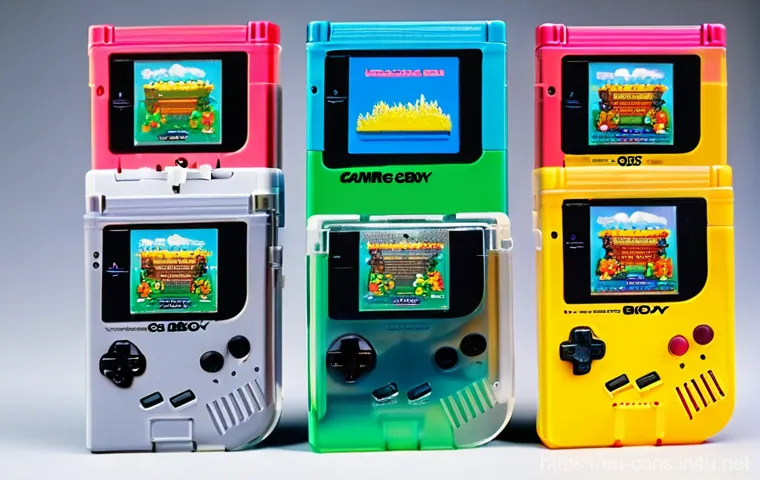
Remember the thrill of popping a classic Game Boy cartridge into your console, the satisfying click, and that iconic “Nintendo” splash screen? For many of us, those pixelated adventures weren’t just games; they were portals to childhood memories, packed with countless hours of fun.
But let’s be real, time hasn’t always been kind to our cherished collection. I’ve been there, pulling out a beloved title only to find the label peeling, the plastic discolored, or worse, that dreaded “battery dead” message meaning your hard-earned saves are long gone.
It feels like a piece of history fading away, right? Well, what if I told you that you don’t have to let those classic titles gather dust? Through years of hands-on experience and a passion for retro preservation, I’ve discovered incredible ways to breathe new life into even the most neglected Game Boy games.
It’s an incredibly rewarding process, and the feeling of seeing a game you thought was lost spring back to life is truly unmatched. Let’s delve into the exact steps to rescue your precious Game Boy games and restore them to their former glory, saving those irreplaceable pieces of gaming history together.
Equipping Your Retro Rescue Workshop
Essential Gear for Game Boy Guardians
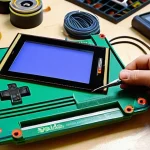
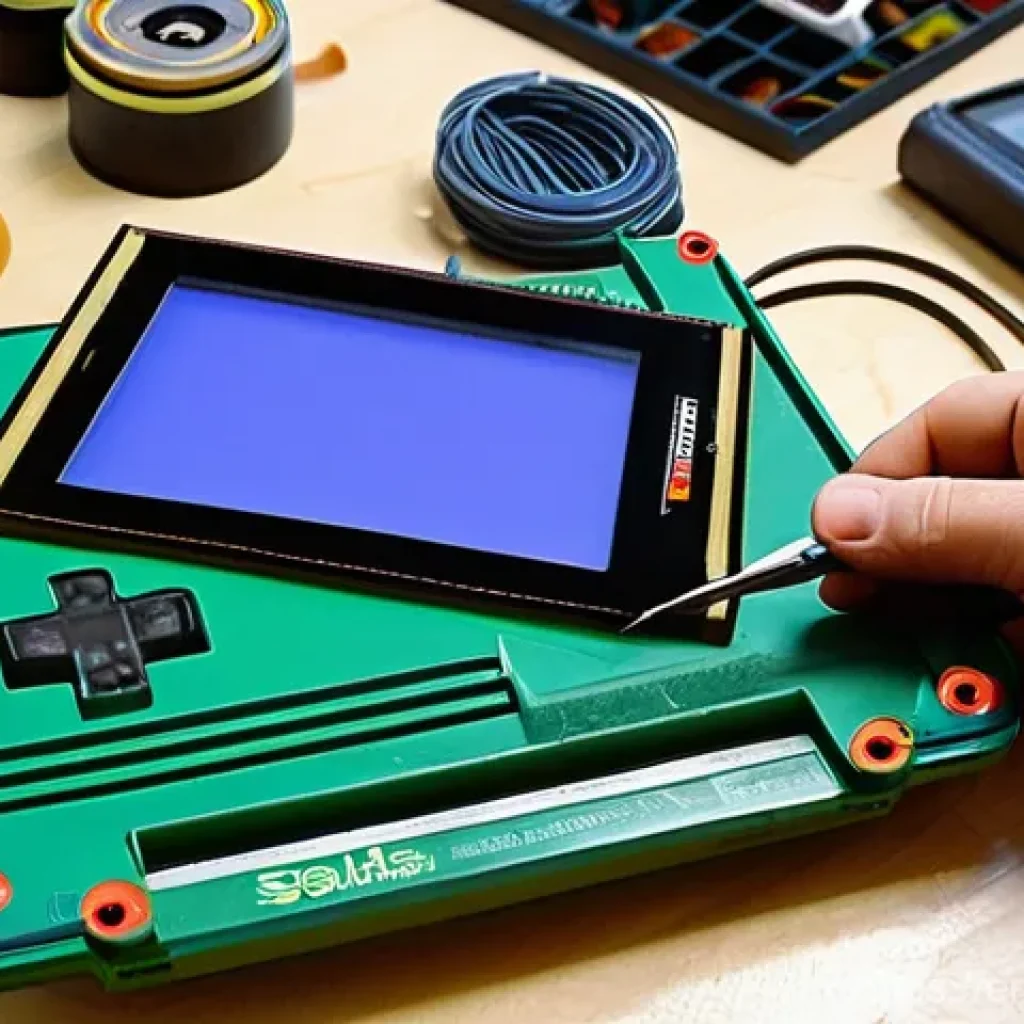
Okay, before we even think about touching those precious cartridges, let’s talk about getting the right tools. Trust me, trying to pry open a Game Boy cart with a butter knife is a recipe for disaster – I’ve learned that the hard way! You don’t need a professional electronics lab, but a few specific items will make your life so much easier and prevent accidental damage. First up, you absolutely need a good set of precision screwdrivers, especially a Tri-Wing Y00 for Nintendo hardware. Believe it or not, many people overlook this and end up stripping screws, which is a headache you definitely want to avoid. Beyond that, a set of small Phillips head and flathead screwdrivers will come in handy for various other retro consoles you might tackle down the line. I always recommend investing in a magnetic mat too; losing tiny screws is just part of the game sometimes, but a magnetic mat helps keep them organized and prevents them from rolling off your workspace into the abyss. Trust me, I’ve spent countless hours on my hands and knees searching for a microscopic screw after a sneeze – never again!
Safety First: Protecting Your Treasures and Yourself
When you’re dealing with vintage electronics, a little caution goes a long way. Static electricity is the silent killer of old circuits, so an anti-static wrist strap is a non-negotiable item for me. It’s cheap insurance against accidentally frying a rare game’s PCB. Just clip it to something grounded, and you’re good to go. Beyond that, proper ventilation is key, especially if you plan on doing any soldering. You don’t want to be inhaling those fumes! I usually open a window or use a small fan to keep the air moving. And speaking of soldering, always wear safety glasses. Molten solder splattering is no joke. I remember one time, I was working on a particularly stubborn battery replacement, and a tiny piece of solder flicked up. Luckily, I had my glasses on, but it was a stark reminder of why these precautions are so important. Treating your workspace with respect, and your tools with care, ensures both your safety and the longevity of your beloved games.
Revitalizing the Heartbeat: Battery Replacement Bliss
The Save Game Savior: Mastering Soldering
Ah, the dreaded “battery dead” message – a nightmare for any retro gamer. For games like Pokémon or Zelda, losing those precious save files is utterly heartbreaking. But fear not, replacing those little CR1616 or CR2025 batteries is totally doable, even if you’ve never soldered before. My first attempt was a bit clumsy, I won’t lie, but with a little practice on some cheap donor boards, you’ll get the hang of it. You’ll need a decent soldering iron (nothing fancy, a 30-watt iron usually does the trick), some thin solder, flux, and a desoldering braid or pump. The key is to be quick and precise. Heat up one pad, remove the old battery, then do the same for the other. Clean up the old solder with your braid, then tin the new battery tabs and solder them onto the board. I always double-check my work with a multimeter to ensure good continuity. The sense of accomplishment when you boot up a game and see your save file magically appear? Pure joy, folks. It’s like bringing a tiny piece of history back to life right in your hands.
Beyond the Solder: Alternative Battery Solutions
Not everyone is comfortable with a soldering iron, and that’s perfectly fine! Luckily, the retro community is incredibly innovative, and there are some fantastic solderless battery holders available now. These typically involve a small plastic casing that clips onto the existing battery pads, allowing you to simply pop in a new coin cell battery without any soldering. While I personally enjoy the traditional soldering process, I’ve used these for friends who aren’t as handy with a hot iron, and they work like a charm. They’re particularly great for games you might want to open up frequently or for collectors who prefer a less permanent modification. Just make sure you’re getting a quality holder that makes good contact with the PCB pads. My experience has taught me that cheap alternatives can sometimes lead to intermittent saves, and there’s nothing worse than thinking you’ve fixed a problem only for it to resurface later. Always check reviews and buy from reputable sellers to save yourself a headache down the road!
Cosmetic Magic: Bringing Back the Shine
Label Love: Repairing and Replicating
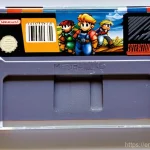
Let’s be honest, a pristine label makes a world of difference. Peeling, torn, or faded labels can really detract from the beauty of a classic Game Boy game. For minor scuffs and tears, I’ve had great success with a tiny dab of archival-safe glue, carefully applied with a toothpick, then gently pressed down. For more significant damage, or if a label is completely missing, there’s a thriving community that creates high-quality reproduction labels. I’ve used these myself for games where the original label was beyond saving, and if printed on the right material, they can look incredibly authentic. My personal tip? Always choose sellers who use proper holographic paper for games that originally had it. It adds that extra touch of authenticity. When applying a new label, take your time! Clean the cartridge surface thoroughly with rubbing alcohol, align it perfectly, and then press firmly from the center outwards to avoid air bubbles. It’s a meticulous process, but seeing a battered cartridge transformed with a fresh, vibrant label is incredibly satisfying. It’s like giving your favorite game a brand new outfit!
Shell Shock: Cleaning and Restoring Cartridge Cases
The plastic shells of Game Boy games can really take a beating over the years. Discoloration, scratches, and grime are common culprits. For general dirt and grime, a soft toothbrush and some isopropyl alcohol (rubbing alcohol) work wonders. Just avoid getting it on the label if you can. For those stubborn, yellowed shells, particularly common with older plastics, “RetroBriting” is a technique that can work magic. This involves using a hydrogen peroxide cream and UV light to reverse the yellowing. I’ve used this method on several of my own games, and the results can be astonishing, bringing the plastic back to its original color. However, be cautious: too much exposure or improper application can damage the plastic, making it brittle. Always research thoroughly, watch a few tutorials, and start with a less valuable game if you’re new to it. It’s a delicate balance, but when done right, a bright, clean shell truly elevates the entire game’s appearance. The before-and-after photos I’ve taken are always a hit on my retro gaming forums!
The Art of Deep Cleaning: Inside and Out
Beyond the Surface: The Cartridge Shell Deep Dive
You might think a quick wipe is enough, but believe me, years of grime, dust, and even mysterious sticky residues can get deep into the nooks and crannies of a Game Boy cartridge shell. My approach is pretty simple but thorough. After carefully opening the cartridge, I remove the PCB and then take the two halves of the shell for a gentle bath. I use warm, slightly soapy water and a soft brush, like an old toothbrush, to really get into all the textured areas and edges. For those stubborn spots, a cotton swab dipped in isopropyl alcohol works wonders. I’ve encountered some truly disgusting cartridges in my time – things you wouldn’t believe – and this method always brings them back to near-new condition. Just make sure everything is completely dry, and I mean completely dry, before reassembling the cartridge. Any residual moisture can lead to corrosion down the line, which is the last thing you want for your precious games. Patience is a virtue here, letting parts air dry naturally or using a can of compressed air to speed things up.
The PCB: Gentle but Thorough Cleaning
The Printed Circuit Board (PCB) is the brains of your Game Boy game, and it deserves the most careful attention. The golden contacts at the bottom, in particular, are prone to oxidation and grime buildup, which can lead to frustrating “game not detected” errors. For these contacts, a cotton swab or a lint-free cloth lightly dampened with 90%+ isopropyl alcohol is your best friend. Gently rub the contacts until they shine. I’ve found that a few passes are usually enough to remove even stubborn gunk. For the rest of the board, if it looks dusty or has any visible corrosion, a soft brush and isopropyl alcohol are generally safe. However, never use anything abrasive on the PCB, and avoid getting liquid into any exposed chips or components that aren’t designed to be cleaned this way. I remember one time, I tried to clean a particularly grimy board with something too harsh, and it actually started to scratch the traces – a rookie mistake I quickly learned from! Always be gentle and let the alcohol do the heavy lifting.
| Common Game Boy Cartridge Issue | Potential Cause | My Go-To Fix |
|---|---|---|
| Game won’t boot / Blank screen | Dirty/oxidized cartridge pins | Clean contacts thoroughly with 90%+ Isopropyl Alcohol and a cotton swab. |
| Save game lost / “Battery dead” message | Dead internal battery (CR1616/CR2025) | Replace the battery, often requiring soldering. Solderless holders are an alternative. |
| Game freezes during play / Corrupted graphics | Dirty pins, loose ROM chip, or corrosion on PCB | Clean contacts. If issue persists, check for loose solder joints and consider reflowing chips carefully. |
| Label peeling/faded | Age, moisture, improper handling | Minor repairs with archival glue. For severe damage, consider a high-quality reproduction label. |
| Yellowed / Discolored plastic shell | UV exposure, degradation of plastics (bromine content) | Deep clean with soap/water/IPA. For yellowing, consider cautious RetroBriting with hydrogen peroxide and UV. |
Troubleshooting Common Glitches: When Games Just Won’t Play
Pin Puzzles: Perfecting Cartridge Connections
It’s probably the most common issue we retro gamers face: a Game Boy game that just won’t boot, often displaying a blank screen or a corrupted Nintendo logo. Nine times out of ten, the culprit is dirty or oxidized cartridge pins. We’ve all done the “blow into the cartridge” trick, right? While it sometimes feels like it works, it’s actually counterproductive, introducing moisture that can lead to corrosion. My go-to method is to use a cotton swab soaked in 90%+ isopropyl alcohol and thoroughly clean those golden pins on the game’s PCB. Rub until no more dark residue comes off. Sometimes, if the pins are particularly stubborn or have some deeper etching, a fiberglass pen or a very, very lightly abrasive pencil eraser can be used with extreme caution, followed by another alcohol cleaning. I’ve rescued countless games this way, games that friends had given up for dead. The joy of seeing that game boot up perfectly after a good clean is unmatched – it’s a testament to the resilience of these old cartridges and the power of proper maintenance.
Chip Challenges: Resoldering and Repair
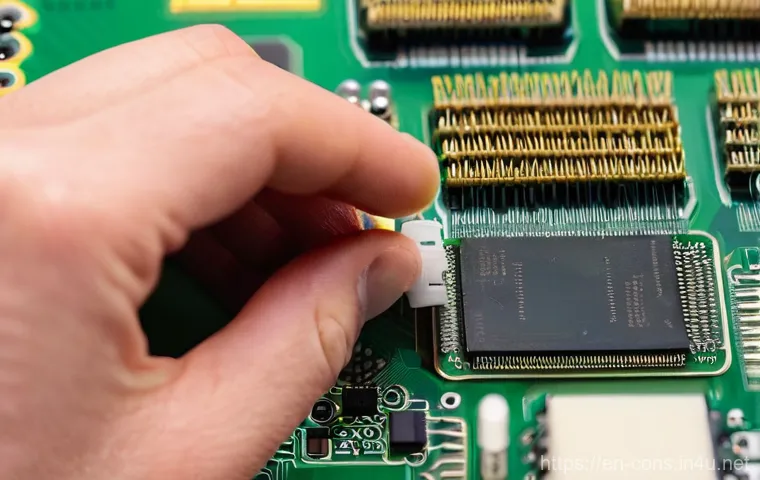
Occasionally, you’ll encounter a game that still won’t play even after a meticulous cleaning. This is where things get a bit more advanced, but it’s still within reach for a determined enthusiast. Sometimes, the issue lies with loose or cracked solder joints on the game’s ROM chips or other components on the PCB. Over decades, temperature changes and physical stress can cause these tiny connections to fail. A technique called “reflowing” can often fix this. This involves carefully reheating the solder joints with a soldering iron to melt and re-form them. It requires a steady hand and a keen eye, as you don’t want to bridge any pins or overheat the chips. I’ve had success with this on a few stubborn games, bringing them back from the brink of being landfill fodder. If you’re new to soldering, practice on some inexpensive junk boards first. It’s a higher-stakes repair, but the satisfaction of reviving a seemingly dead game through a precise reflow is truly rewarding. It feels like you’re performing open-heart surgery on a tiny piece of gaming history!
Long-Term Preservation: Keeping Your Games Pristine
Storage Savvy: The Environment Matters
Once you’ve poured your heart and soul into restoring your Game Boy games, the last thing you want is for them to degrade again. Proper storage is absolutely crucial for long-term preservation. Direct sunlight is the enemy – it fades labels and can yellow plastic faster than anything. Extreme temperature fluctuations and high humidity are also huge no-nos, as they can encourage corrosion on PCBs and make plastic brittle. I always store my games in climate-controlled conditions, away from windows and direct heat sources. Those clear plastic cartridge protectors are a fantastic investment, too. They shield the labels from dust and minor scuffs and just give that extra layer of protection. I remember when I first started collecting, I just threw my games into a shoebox, and boy, did I regret it later when I found a few with faded labels. Learning the hard way taught me the importance of proactive storage. Treating your games like the valuable artifacts they are will ensure they last for generations.
The Power of Prevention: Regular Maintenance
Even perfectly stored games benefit from a little periodic attention. Think of it like owning a classic car – you wouldn’t just park it and forget it, would you? Every now and then, I’ll pull out a few games from my collection, give the shells a quick wipe-down, and check the pins for any signs of oxidation. If I haven’t played a particular game in a while, I’ll pop it into my Game Boy and make sure it still boots up cleanly and that the save battery is holding strong. It’s a proactive approach that helps catch minor issues before they become major problems. For games with save batteries, I sometimes make a note of when I last replaced the battery, so I have a rough idea of when it might be nearing its end of life. This simple routine has saved me from unexpected save file loss more times than I can count. It’s all about being a responsible guardian of your retro gaming heritage!
Expanding Your Retro Arsenal: Smart Buys and Projects
Spotting a Gem: What to Look For When Buying
Restoring games isn’t just about fixing what you have; it’s also about finding new projects and expanding your collection. But how do you spot a hidden gem versus a lost cause? My experience has taught me to look for a few key things when I’m scouring flea markets, garage sales, or online listings. First, check the label condition. While some label damage is fixable, major tears or complete absence can be a deterrent unless the price is exceptionally low. Next, examine the pins on the bottom of the cartridge – if they’re severely corroded or scratched, it might indicate a more difficult repair. I also pay attention to the overall cleanliness; a very dirty cartridge often means it hasn’t been cared for, suggesting potential internal issues. However, don’t shy away from games that just need a good cleaning or a battery swap! Those are often the best deals, allowing you to breathe new life into them with minimal effort and maximum satisfaction. It’s all about balancing potential restoration effort with the final value and personal enjoyment.
The Joy of the Journey: Embracing Restoration Projects
For me, the act of restoring a Game Boy game is almost as enjoyable as playing it. There’s something incredibly therapeutic about taking a neglected, seemingly broken cartridge and bringing it back to its former glory. Each project presents its own unique challenge, a little puzzle to solve. I remember one particular copy of Pokémon Red I found that was absolutely filthy, with a peeling label and a dead battery. It looked like it had been through a war! But after a few hours of careful cleaning, label repair, and a fresh battery, it booted right up, and I even managed to recover a decade-old save file. That feeling of accomplishment is what keeps me coming back for more. It’s not just about saving money compared to buying a pristine copy; it’s about the connection you build with these historical artifacts, the story you create with each game you rescue. So, don’t be afraid to pick up that “for parts or repair” listing – you might just discover a new passion and save a piece of gaming history in the process!
Wrapping Things Up
And there you have it, my fellow retro adventurers! We’ve journeyed through the intricate world of Game Boy restoration, from equipping our workshops with the right tools to revitalizing tired batteries and bringing back that original shine. I hope sharing my own experiences, my triumphs, and yes, even my occasional mishaps, has given you the confidence to dive into your own projects. There’s a truly unique satisfaction that comes from holding a once-neglected cartridge in your hand, knowing you’ve breathed new life into it, preserving a piece of gaming history for future generations. It’s more than just fixing electronics; it’s about reconnecting with the magic of our childhoods and becoming a guardian of these incredible little machines. So go forth, be patient, be precise, and most importantly, enjoy every single moment of your retro rescue mission!
Useful Information to Keep in Mind
1. Always double-check your tools. There’s nothing worse than getting halfway through a delicate repair only to realize you’re missing a specific screwdriver bit or a crucial anti-static strap. A little preparation saves a lot of frustration and potential damage, trust me on this one!
2. Patience is truly a virtue when working with vintage electronics. Rushing leads to mistakes, stripped screws, and potentially irreparable damage. Take your time, walk away if you’re feeling frustrated, and come back with fresh eyes. Your games will thank you for it in the long run.
3. Invest in quality cleaning supplies. While cheap isopropyl alcohol might seem fine, a higher concentration (90%+) makes a noticeable difference in cleaning those stubborn contacts. And always use lint-free cloths or cotton swabs to avoid leaving any residue behind.
4. Document your work! Taking photos before, during, and after your repairs isn’t just great for showing off your skills; it’s also a fantastic way to remember how things go back together, especially for more complex projects. Plus, it builds a great visual diary of your restoration journey.
5. Connect with the retro gaming community. There are countless forums, social media groups, and YouTube channels dedicated to retro repair and restoration. Don’t be afraid to ask questions, share your successes, or even learn from others’ mistakes. We’re all in this nostalgic journey together!
Key Takeaways for Your Retro Repair Journey
Embrace the Right Mindset and Tools
Stepping into the world of Game Boy restoration begins with a blend of enthusiasm and practicality. Remember, having the correct tools, like those essential precision screwdrivers and an anti-static wrist strap, isn’t just about efficiency; it’s about protecting both your precious games and yourself. My early experiences taught me that shortcuts often lead to bigger problems, so investing a little upfront in good gear and understanding the basics of static prevention saves you untold headaches down the line. Approach each game with respect for its age and history, and you’ll find the process much more rewarding, transforming what might seem like daunting repairs into enjoyable challenges that build your expertise over time.
Master the Core Restoration Techniques
The heart of successful Game Boy restoration lies in a few fundamental techniques. From the meticulous deep cleaning of cartridge shells and PCBs, ensuring every last bit of grime and oxidation is removed, to the crucial process of replacing save batteries, these skills form your essential toolkit. While soldering can seem intimidating at first, it’s a learnable art that opens up a world of possibilities for bringing games back to life. Even cosmetic repairs, like label replication or careful plastic restoration, play a significant role in enhancing the perceived value and personal satisfaction derived from your collection. Remember, every step, no matter how small, contributes to the overall longevity and beauty of your cherished retro titles.
Prioritize Preservation and Community
Beyond the immediate repairs, thinking about long-term preservation is paramount. Proper storage conditions – avoiding direct sunlight, extreme temperatures, and humidity – are non-negotiable for maintaining the integrity of plastics and electronics. Regular, gentle maintenance checks can also prevent minor issues from escalating. But perhaps most importantly, remember that you’re not alone in this passion! The retro gaming community is a vibrant source of knowledge, support, and shared excitement. Sharing your projects, asking for advice, and learning from others’ insights not only enriches your own experience but also contributes to the collective wisdom that helps keep these incredible pieces of gaming history alive and well for generations to come. It’s a journey of continuous learning and shared joy.
Frequently Asked Questions (FAQ) 📖
Q: I’ve got a pile of old Game Boy cartridges, and some look pretty rough – peeling labels, murky plastic, even weird gunk. Can these really be saved, or am I just looking at expensive paperweights?
A: Oh, I totally get that feeling! I’ve pulled out countless cartridges from dusty boxes over the years, feeling a pang of sadness seeing beloved games looking so neglected.
But trust me, in the vast majority of cases, those “rough” cartridges are absolutely salvageable! From my own hands-on experience, most cosmetic issues like peeling labels, discolored plastic, or even that mystery gunk are surprisingly easy to tackle with a bit of patience and the right tools.
We’re talking about bringing back that vibrant label art and making the plastic shine again. It’s incredibly satisfying, and you’ll be amazed at how much a little TLC can transform them.
Think of it as a fun, low-cost restoration project that reclaims a piece of your past, and honestly, the sense of accomplishment is priceless. Plus, keeping them in good condition increases their longevity, making them a great conversation starter for years to come.
Q: The biggest fear I have is losing my game saves. I picked up an old Pokémon game, and the “battery dead” message popped up. Does that mean all my progress is gone forever, and is there even a point in trying to fix it?
A: This is probably the number one concern I hear from fellow retro gamers, and it’s a completely valid one! That “battery dead” message is indeed heartbreaking because, yes, it often means your save data on that specific battery is gone.
I remember feeling that gut punch myself the first time it happened to my original Zelda save. However, and this is the crucial part: it doesn’t mean the game cartridge itself is a lost cause or that you can’t save new progress!
The beauty of these old carts is that the save battery is a replaceable component. Through countless hours of tinkering and research, I’ve learned that swapping out that tiny little coin cell battery is not only possible but also incredibly empowering.
It breathes new life into the game, allowing you to start fresh and create new memories, knowing your saves will be secure. Think of it as a rite of passage for retro gamers, and the sheer joy of seeing that game save again after a successful battery replacement?
Absolutely unmatched. Don’t give up on that Pokémon game just yet; its best adventures might still be ahead!
Q: Okay, I’m convinced! This sounds like a project I want to dive into. What’s the absolute first step I should take, or what basic tools will I need to even begin rescuing my Game Boy games?
A: Fantastic! I love hearing that enthusiasm, because getting started is half the battle, and honestly, it’s simpler than you might think. From my own journey, the very first step, even before you grab any tools, is to assess your collection.
Take out all your games, really look at them, and decide which ones need attention most. Do some have visible grime? Are some labels particularly torn?
Then, for tools, you don’t need a huge setup. My absolute essentials for starting out are:1. A good set of security bits: Specifically, you’ll need a 3.8mm and 4.5mm Gamebit screwdriver.
These are crucial for opening up the cartridges safely, and you can find affordable sets online. 2. Isopropyl alcohol (90% or higher): This is your best friend for cleaning dirty cartridge pins and even stubborn gunk on the plastic.
3. Cotton swabs and microfiber cloths: Perfect for applying the alcohol and gently wiping away dirt without scratching. 4.
A small, soft-bristled brush: Great for getting into those tiny crevices. These few items will get you started on overhauling most common issues. I remember feeling a bit intimidated by the idea of opening up my games, but once I had these basic tools, the process felt incredibly straightforward and rewarding.
It’s like having the keys to unlock a whole new level of retro gaming enjoyment!