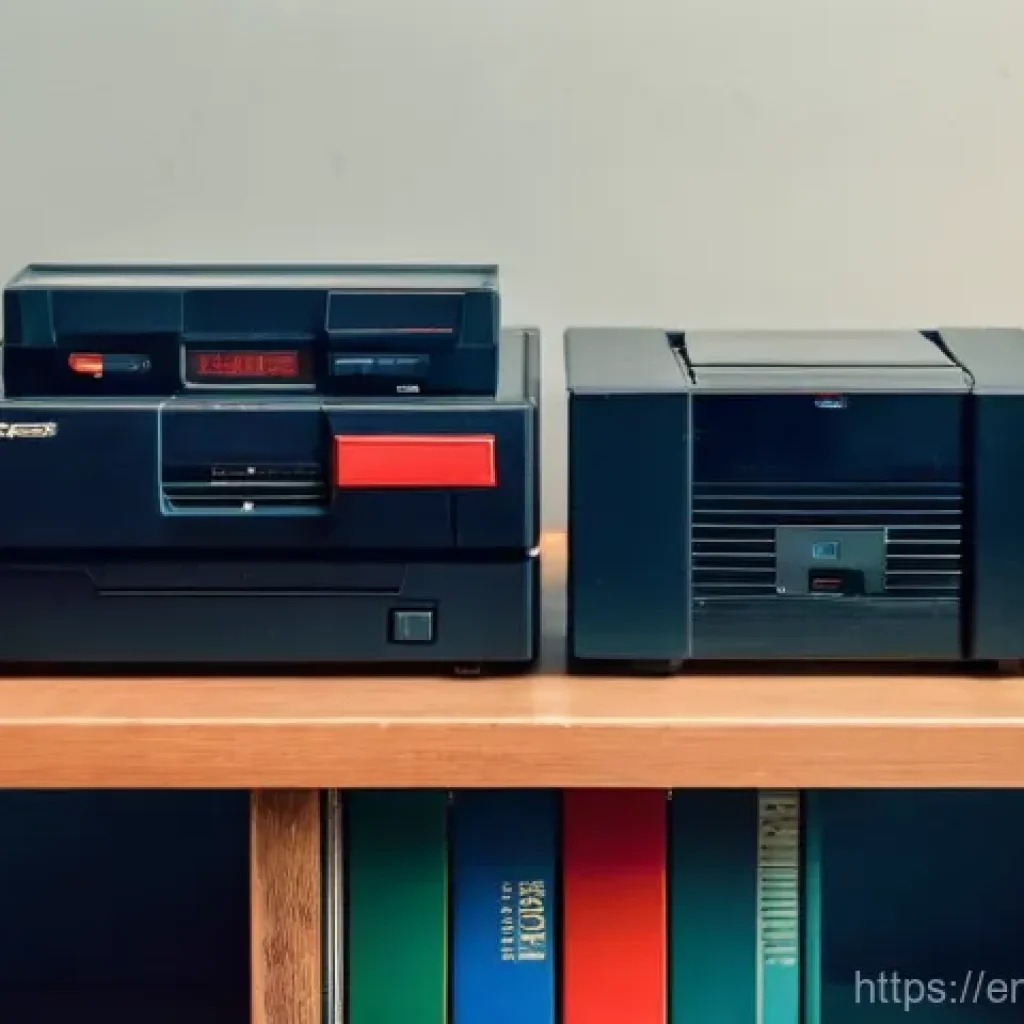
Ah, the golden era of 16-bit gaming! For those of us who lived through it, the clash of consoles was practically legendary, and in the Sega corner, there’s always been this intriguing little enigma: the Sega Genesis versus the Mega Drive.
It’s a question that’s popped up in countless forums, late-night gaming sessions, and even among my own collection as I’ve tried to piece together the history.
You might think it’s just a simple regional branding, but trust me, there’s a whole lot more under the hood, and understanding it offers a fascinating peek into the early days of global marketing and how console giants battled for our living rooms.
This isn’t just about pixelated nostalgia; it’s a deep dive into how gaming culture fractured and reunited across continents, a dynamic that still echoes in today’s interconnected gaming world.
If you’ve ever stared at those two names and wondered about the true story, you’re in for an absolute treat. I’m going to pull back the curtain and show you exactly what’s what, so you can finally solve this iconic mystery with confidence.
Let’s get into the nitty-gritty and truly understand the legend behind the names!
Unraveling the Moniker Mystery: More Than Just a Name?
When I first heard the terms “Sega Genesis” and “Sega Mega Drive,” back in the day, I honestly just thought they were two different names for the exact same console, probably depending on which friend’s house I was at or which magazine I picked up. It wasn’t until much later, deep into my own retro gaming journey, that I truly understood the fascinating story behind these two iconic names. It turns out, it’s far more than just a simple regional rebranding. The decision to call it the “Genesis” in North America while the rest of the world knew it as the “Mega Drive” boils down to a classic tale of trademark law and shrewd marketing. Imagine Sega, poised to launch their groundbreaking 16-bit console, only to find that the name “Mega Drive” was already taken for a different product in the bustling U.S. market. This forced a quick pivot, leading to the birth of the “Genesis” name, a moniker that perfectly captured the idea of a new beginning for Sega in the fiercely competitive console landscape. For us gamers, it created a little bit of intrigue, a subtle difference that sparked debates and questions, even if the hardware itself was largely identical. It’s wild to think how such a seemingly small detail could become such an enduring part of gaming lore, shaping how an entire generation perceived one of the greatest consoles ever made. This branding decision truly set the stage for how Sega would approach the American market, distinguishing itself from its Japanese origins in a way that resonated with players on this side of the pond.
The Legal Lowdown Behind the Labels
The core reason for the name split was, plain and simple, a trademark conflict in North America. Sega of Japan initially launched the console as the “Mega Drive” in their home country, a name they were quite fond of, and one that suggested power and advancement. However, when it came time to introduce this beast to the lucrative American market, they discovered that the “Mega Drive” name was already registered by another entity. Specifically, a company called Mega Soft had rights to a similar name. This meant Sega had to quickly come up with an alternative that conveyed the same sense of cutting-edge technology and excitement. Thus, “Genesis” was born, symbolizing a new origin, a fresh start, and the beginning of a new era for gaming. It was a clever pivot that, in hindsight, perhaps even helped the console feel more distinctly American, even though its roots were undeniably Japanese. I’ve often wondered if, without that legal hurdle, the console would have had the same impact in the US, or if the “Genesis” name itself contributed to its unique identity and appeal to a Western audience. It just goes to show you that even the most mundane legalities can have a profound impact on cultural phenomena.
When a Name Change Makes All the Difference
Beyond the legal necessity, the name “Genesis” actually carried a lot of weight in the North American market, arguably more so than “Mega Drive” might have. “Genesis” implies creation, a beginning, something new and revolutionary. This resonated perfectly with Sega’s aggressive marketing strategy, positioning the console as a stark contrast to Nintendo’s more family-friendly, established image. In essence, the new name allowed Sega to craft a distinct identity for its console that spoke directly to a slightly older, more “attitude-driven” demographic. While my friends in Europe and Asia were happily calling it the Mega Drive, which also sounds cool and powerful, there was something about the “Genesis” that felt uniquely ours. It felt like a rebellion, a new chapter in gaming history unfolding right before our eyes. The name itself became synonymous with speed, edginess, and a certain level of coolness that helped define a generation of gamers. It truly was a branding masterstroke, even if it was born out of necessity, and played a significant role in establishing Sega’s formidable presence in the heated console wars of the 90s.
The Battle for Living Rooms: Marketing and Mindshare
Oh, the console wars! If you were a kid in the late 80s and early 90s, this wasn’t just about video games; it was about choosing a side, a tribal allegiance that dictated playground debates and sleepover bragging rights. For Sega, especially with the Genesis in North America, marketing wasn’t just about selling a product; it was about launching a full-frontal assault on the established king, Nintendo. I vividly remember those commercials – quick cuts, loud music, and that iconic, almost arrogant tagline: “Genesis Does What Nintendon’t!” It wasn’t subtle, and that was exactly the point. This aggressive, in-your-face approach was a deliberate strategy to carve out market share by directly challenging their competitor. It spoke to a generation that felt a bit rebellious, that wanted something faster, edgier, and more “adult” than what Nintendo was offering. This wasn’t just about showcasing games; it was about selling an image, a lifestyle, and a sense of belonging to the “cool” console. This approach differed significantly from how the Mega Drive was often positioned in other markets, highlighting a fascinating divergence in global marketing strategies for essentially the same piece of hardware. It’s truly incredible to look back and see how much impact those early marketing battles had on shaping our gaming preferences and memories.
“Genesis Does What Nintendon’t!” – A Marketing Masterclass
Honestly, that tagline still gives me goosebumps! Sega’s marketing in North America was revolutionary for its time. They didn’t just advertise their games; they advertised an attitude. They capitalized on the fact that the Genesis was technically more powerful in some aspects and played into the growing desire for more mature and action-oriented games. When *Mortal Kombat* hit the Genesis with its uncensored fatalities (initially, at least), while the SNES version had toned-down violence, it was a huge win for Sega. That single move cemented their image as the console for “cool” kids who wanted a more extreme experience. The commercials were dynamic, featuring teenagers, sports stars, and a rebellious spirit that contrasted sharply with Nintendo’s wholesome, family-friendly image. I recall sitting glued to the TV, waiting for these commercials, feeling a sense of pride that my console of choice was being championed as the superior, edgier option. It created an emotional connection, fostering loyalty that went beyond just the games themselves. This kind of audacious marketing campaign was a gamble, but it paid off handsomely, creating a brand identity that still resonates with retro gamers today.
European Flair vs. American Grit: Advertising Styles
While the Genesis was kicking up dust with its aggressive, almost confrontational marketing in North America, the Mega Drive’s approach in Europe and Asia was often a bit different, albeit still emphasizing its arcade-like power. In many European territories, the focus was more on the sheer quality of the games and the raw graphical horsepower, often showcasing the console’s ability to bring arcade experiences home. There was still a sense of “power” and “speed,” but perhaps less of the direct, competitive jab at Nintendo. Sometimes the campaigns would lean into futuristic themes or simply highlight the immersive worlds of titles like *Sonic the Hedgehog*. For instance, I recall seeing some European ads that focused more on the elegance of the hardware or the pure joy of gameplay rather than directly challenging a competitor. It was less about the “us versus them” mentality and more about showcasing what the Mega Drive itself could deliver. This isn’t to say it wasn’t competitive, but the tone varied. It really highlights how cultural nuances affect how a product is presented globally, even when it’s essentially the same fantastic gaming machine. Seeing how different regions embraced and advertised the same console is a fascinating study in global consumer psychology.
Under the Hood: The Myth of Hardware Discrepancies
One of the most persistent myths I’ve encountered over the years, especially when chatting with fellow retro enthusiasts, is the idea that the Sega Genesis and Mega Drive had significant hardware differences. It’s a natural assumption, right? Different names, different regions, so surely something under the hood must be unique. But let me tell you, having cracked open a few of these beauties myself and delved deep into their technical specifications, the truth is far less dramatic. For the vast majority of units, whether you picked up a Genesis in a bustling mall in the U.S. or a Mega Drive from a small electronics shop in London, you were essentially getting the exact same core hardware. The heart of the machine – the Motorola 68000 CPU and the Zilog Z80 sound controller – remained consistent across regions. This commonality was crucial for developers, allowing them to create games that would run seamlessly, regardless of the console’s regional branding. The real differences, as I’ve found, tended to be much more subtle, often boiling down to regional requirements for power supplies or very minor internal revisions that rarely impacted gameplay. It’s always a little satisfying to debunk these long-standing myths and show people that their beloved console was, in essence, a global unifier in terms of its technological core.
Identical Twins? A Look at the Core Architecture
Yes, for all intents and purposes, the Genesis and Mega Drive were identical twins when it came to their fundamental architecture. Both consoles were powered by the same 16-bit Motorola 68000 main processor, clocking in at around 7.6 MHz, which was quite a powerhouse for its era. Complementing this was the Zilog Z80, acting as a secondary CPU primarily for sound control and backward compatibility with the Sega Master System via an adapter. The video display processor (VDP) was also the same, capable of rendering those vibrant 64 colors on screen from a palette of 512, and handling those famous “blast processing” effects. From a programmer’s perspective, they were working with the same canvas, the same tools, regardless of whether their game was destined for a Genesis or a Mega Drive box. This consistency was a smart move by Sega, streamlining development and ensuring that the global library of games was largely interchangeable. When I’ve worked on some retro projects or just tinkered with the hardware, the similarities are immediately apparent, showcasing Sega’s foresight in creating a universally robust platform despite the regional branding.
Minor Revisions and Regional Power Supplies
While the core remained steadfast, there were indeed some minor internal revisions across the console’s lifespan, often referred to as “VA” board revisions (like VA0, VA1, VA3, VA4, VA7, etc.). These revisions primarily focused on manufacturing efficiencies, cost reduction, or minor bug fixes, rather than fundamental changes that would impact game compatibility or performance. For example, later models often integrated more components into single chips, reducing the board size. The most noticeable *functional* difference for users was often the power supply. North American Genesis consoles typically used an NTSC standard power supply, requiring a specific voltage and frequency, while European Mega Drives used a PAL standard with different requirements. This meant you couldn’t just plug a Japanese Mega Drive power brick into a U.S. Genesis without issues. I learned this the hard way once when I tried to plug in an imported console without the proper step-down converter – a smoking smell and a quick unplugging were my immediate lessons! Beyond that, some models also had slightly different audio outputs, leading to debates among audiophiles about which revision had the “best” sound, but these were tweaks, not re-engineering.
The Software Struggle: Exclusives and Censorship
While the hardware was virtually the same, the gaming experience across Genesis and Mega Drive consoles could feel remarkably different due to the fascinating, and sometimes frustrating, world of regional software differences. It wasn’t just about the language on the game box; it was about entire games being exclusive to certain markets, or familiar titles undergoing significant transformations to comply with local customs, sensibilities, or even censorship boards. I remember the sheer envy of seeing screenshots of a game only available in Japan, knowing I probably wouldn’t get my hands on it unless I went through elaborate import schemes. This fragmentation of game libraries created a unique challenge and a treasure hunt for dedicated fans, making the pursuit of a complete collection an almost impossible, yet exhilarating, endeavor. It really showcased how cultural differences and differing regulatory environments could shape the very content we played, turning a global console into a platform with distinct regional personalities. The choices made by publishers often reflected a deep understanding, or sometimes a stark misunderstanding, of local tastes and societal norms, leading to some truly curious variations in our beloved 16-bit titles.
Cultivating Unique Game Libraries
One of the most exciting, and at times vexing, aspects of the Genesis/Mega Drive era was the existence of region-exclusive games. While many flagship titles like *Sonic the Hedgehog* were global phenomena, certain publishers opted to release games only in specific territories. Japan, with its unique gaming culture, often received titles that never saw the light of day in the West, particularly niche RPGs, shoot ’em ups, or quirky arcade ports. Conversely, some Western-developed games found their primary audience in North America or Europe and weren’t widely distributed in Japan. This created a rich tapestry of game libraries, meaning that a Japanese Mega Drive collection looked quite different from a North American Genesis collection. As a young gamer, this meant poring over import magazine sections, dreaming of games I might never play. Later, as an adult collector, it became a driving force behind my desire to explore different regional libraries, knowing that each one held its own hidden gems and cult classics that added to the overall legacy of the console. It made the entire ecosystem feel vast and mysterious, always offering something new to discover.
Navigating Cultural Sensitivities and Rating Systems
Beyond outright exclusives, many games underwent localization changes that went far beyond mere language translation. These modifications often aimed to address cultural sensitivities, comply with local content regulations, or adapt to emerging rating systems. The most famous example, of course, is *Mortal Kombat*. In its initial North American Genesis release, it famously featured uncensored blood and fatalities, while the Super Nintendo version was famously sanitized. This decision by Sega to allow the “real” experience was a huge win for them and reinforced their “edgy” image. However, other games saw less publicized but equally significant changes. For instance, religious iconography might be altered or removed in certain regions, alcohol references could be changed, or even enemy sprites redesigned to be less offensive. Japan’s cultural norms meant some games there would be drastically different, while Europe’s various national rating bodies could also lead to unique versions of titles. It was a fascinating, often controversial, dance between creative vision and cultural compliance, and as a player, you always wondered what might have been changed in your version versus another.
A Tale of Two Cartridges: Region Locking and Its Workarounds
So, you’ve got your imported Mega Drive game, gleaming and ready to go. You slot it into your North American Genesis, heart pounding with anticipation… and nothing. Or, worse, a cryptic error message. Welcome to the frustrating, yet ultimately fascinating, world of region locking! For those of us who grew up eager to play games from other parts of the world, this was a constant hurdle, a physical and digital barrier designed by console manufacturers to control market distribution and pricing. It wasn’t just about the name on the box; it was about the very shape of the cartridge, the pins, and even the internal software checks that determined if a game was “allowed” to run on your console. I remember countless hours spent researching, asking older, wiser gamers, and even experimenting (sometimes successfully, sometimes disastrously) with various methods to bypass these restrictions. It fostered a strong sense of community among those of us who sought out these forbidden fruits, sharing tips and tricks to unlock the full global library. This era really taught me about ingenuity and persistence in the face of technological gatekeeping, and the sheer joy when you finally got that elusive import game to boot up perfectly.
The Physical and Software Barriers
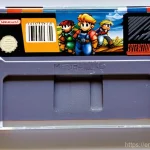
Region locking on the Sega Genesis/Mega Drive came in a couple of clever forms. First, there was the physical barrier: the shape of the cartridge shell itself. North American Genesis cartridges often had squared-off corners, while Japanese Mega Drive cartridges typically had rounded corners and were slightly narrower. This meant you couldn’t just jam a Japanese cart into a U.S. console without some physical modification (which many of us brave, or foolish, kids attempted!). Beyond that, there was also a software-based region lock. The console would perform a check during boot-up, looking for specific code or region markers within the game cartridge’s ROM. If the game’s region code didn’t match the console’s expected region (NTSC-U for North America, NTSC-J for Japan, PAL for Europe), the game simply wouldn’t start, or it would display an error message. It was a dual-pronged approach that was quite effective in its time. I always found it fascinating how such seemingly simple mechanisms could create such a distinct divide in the gaming experience, forcing us to get creative to bridge the gaps.
The Rise of Converters and Mod Chips
Where there’s a will, there’s a way, right? And for those of us determined to play *Street Fighter II Dash Plus* on our U.S. Genesis or *Contra: Hard Corps* on our European Mega Drive, solutions emerged. The simplest and most common workaround for the physical barrier was a “game converter” or “pass-through” cartridge, often like the famous “Mega Key.” These devices typically had a slot for the foreign cartridge on top and a standard regional cartridge slot on the bottom, allowing the foreign game to sit physically correctly while the adapter fooled the console’s software. Sometimes, you’d even need to insert a “dummy” game of the correct region into the bottom slot to bypass the software check! For the more technically inclined, mod chips or “region switches” could be installed directly into the console, often involving soldering and flipping physical switches to change the console’s internal region setting. I always admired the dedication of those who tackled these mods, transforming their consoles into truly universal gaming machines. It was a testament to the passion of the gaming community, always finding ways to break down the walls imposed by manufacturers.
The Legacy Lives On: Retro Gaming in the Modern Age
It’s truly incredible to think about how far gaming has come since the 16-bit era, yet the Sega Genesis and Mega Drive continue to hold a special, almost sacred, place in the hearts of gamers worldwide. What started as a fierce console war has mellowed into a nostalgic appreciation for groundbreaking titles and iconic hardware. These consoles aren’t just relics gathering dust in attics; they’re vibrant platforms that are still played, collected, and celebrated by millions. From the rise of sophisticated emulators that allow us to experience these classics on modern screens, to the thriving collector’s market where rare cartridges fetch eye-watering prices, the legacy of the Genesis and Mega Drive is undeniably robust. For me, it’s not just about revisiting old games; it’s about connecting with a pivotal moment in gaming history, understanding the roots of modern game design, and appreciating the sheer fun and innovation that defined this golden age. It’s a testament to the enduring quality of these machines and their games that they continue to captivate new generations, proving that true classics never really fade away.
Emulation and the Digital Revival
In today’s interconnected digital world, accessing the vast libraries of the Sega Genesis and Mega Drive has never been easier, thanks to the magic of emulation. Emulators allow us to play these classic games on our PCs, smartphones, and even modern consoles, faithfully recreating the original hardware experience in software. This digital revival has been a game-changer for preservation and accessibility, opening up the 16-bit era to a whole new audience who might not have the original hardware. Beyond unofficial emulators, Sega themselves have embraced this legacy, releasing official Genesis/Mega Drive mini consoles, collections for modern platforms, and even making titles available through subscription services. It’s fantastic because it means you don’t necessarily need to hunt down a vintage console and fragile cartridges to experience the sheer joy of *Streets of Rage* or *Gunstar Heroes*. While nothing beats the feel of original hardware, these digital options ensure that the games themselves remain alive and playable for decades to come, constantly introducing new fans to the wonders of “blast processing.”
The Collector’s Pursuit: Value and Authenticity
For many enthusiasts, myself included, the allure of the original hardware and cartridges remains incredibly strong. The collector’s market for Sega Genesis and Mega Drive games is a vibrant and ever-evolving landscape. Prices for rare titles, especially complete-in-box (CIB) copies, can reach astounding figures, turning humble plastic cartridges into coveted artifacts. Factors like rarity, condition, region exclusivity, and cultural significance all play a role in determining a game’s value. I’ve spent countless hours sifting through flea markets, online auctions, and retro game stores, always on the lookout for that one elusive title or a pristine console. The thrill of finding a long-sought-after game, especially a region-exclusive Mega Drive title that’s notoriously hard to find in North America, is an experience unlike any other. It’s not just about owning the game; it’s about owning a piece of history, the art, the manual, and the story behind it. The ongoing debate between which regional variants hold more value or are more desirable adds another layer to this exciting hobby, ensuring that the legacy of these two iconic consoles continues to thrive in the physical world, not just the digital.
Beyond the Console: The Ecosystem of Accessories and Expansions
When we talk about the Sega Genesis and Mega Drive, it’s easy to focus solely on the console and its games, but truly understanding their impact means looking at the entire ecosystem that grew around them. Sega wasn’t content to just sell a single box; they pushed the boundaries with a plethora of accessories and ambitious add-ons that promised to enhance the gaming experience, sometimes successfully, and sometimes… well, let’s just say they were more memorable for their ambition than their widespread adoption. From specialized controllers that offered new ways to interact with games to entire hardware expansions that aimed to bridge the gap to the next generation of technology, these additions played a crucial role in Sega’s strategy to maintain its competitive edge. I remember staring at pictures of these exotic devices in magazines, dreaming of owning every single one, even if their practical utility was sometimes questionable. They were an integral part of the Sega story, showcasing their willingness to innovate and experiment, even if it meant taking some risks. These accessories, whether they were groundbreaking successes or commercial missteps, contributed significantly to the console’s unique character and enduring appeal among collectors and enthusiasts today.
Enhancing the Experience: Controllers and Peripherals
The standard three-button controller that shipped with the Genesis/Mega Drive was iconic, but Sega didn’t stop there. They constantly sought to enhance the player’s experience through various peripherals. The six-button controller, released later in the console’s life, was a game-changer, especially for fighting games like *Street Fighter II: Special Champion Edition*, giving players more direct access to combat moves without cumbersome button combinations. Then there were specialized controllers like the Menacer light gun, which, while perhaps not as widely adopted as Nintendo’s Zapper, still offered a unique way to play specific titles. And who could forget the Sega Activator, a bizarre octagonal floor mat that attempted to translate body movements into gameplay? It was a noble, if flawed, attempt at motion gaming long before the Wii. While some of these were more successful than others, they all contributed to the rich tapestry of the Genesis/Mega Drive experience, showing Sega’s continuous effort to innovate and offer new ways to interact with their games. I’ve personally spent hours messing around with various peripherals, and even the less successful ones hold a special charm, representing a particular moment in gaming history.
Ambitious Add-ons: The Sega CD and 32X
Perhaps the most ambitious, and certainly the most debated, additions to the Genesis/Mega Drive ecosystem were the Sega CD and the 32X. The Sega CD aimed to leverage the nascent CD-ROM technology, offering games with full-motion video (FMV), enhanced audio, and larger storage capacities. While it delivered some truly innovative titles like *Snatcher* and *Lunar: The Silver Star*, it also gave us a lot of questionable FMV experiments that felt more like interactive movies than games. The 32X was an even bolder move, designed to bridge the gap between the 16-bit Genesis and the upcoming 32-bit Sega Saturn, essentially adding more processing power and color capabilities. It was a short-lived experiment, released at an awkward time, and while it had a few standout titles like *Doom* and *Virtua Racing Deluxe*, its library was small, and it quickly became a footnote in gaming history. For me, these add-ons represent Sega’s adventurous spirit, their willingness to take risks and push technological boundaries, even if those risks didn’t always pay off. They make for fascinating collector’s items today, showcasing a unique chapter in the evolution of console gaming and the ever-present quest for the “next big thing.”
| Feature | Sega Genesis (North America) | Sega Mega Drive (Europe/Asia) |
|---|---|---|
| Primary Branding | Genesis | Mega Drive |
| Initial Release | August 1989 | October 1988 (Japan), November 1990 (Europe) |
| Marketing Strategy | Aggressive, direct rivalry with Nintendo, “attitude” focused. | Emphasized arcade power, graphical fidelity, broader entertainment. |
| Cartridge Shape | Typically squared corners (physical region lock). | Typically rounded corners (physical region lock). |
| Power Supply | NTSC-U standard (specific voltage/frequency). | NTSC-J or PAL standard (varying voltage/frequency). |
| Regional Content | Unique exclusives and localization changes common. | Unique exclusives and localization changes common. |
The Enduring Appeal: Why We Still Love These Consoles
Honestly, sometimes I sit back and just marvel at how much staying power the Sega Genesis and Mega Drive have. It’s not just pure nostalgia, though there’s certainly a healthy dose of that for anyone who grew up with these machines. There’s something undeniably special about this era of gaming that continues to resonate with both veterans and newcomers alike. Perhaps it’s the distinctive visual style, those vibrant sprites and dynamic backgrounds that still hold up remarkably well. Or maybe it’s the incredible soundtracks, which pushed the limits of FM synthesis and created some of the most memorable tunes in gaming history. For me, it’s a combination of all these factors, plus the sheer quality of the game libraries. These consoles were home to some truly revolutionary titles that established entire genres and pushed the boundaries of what was possible in 16-bits. Even after all these years, when I fire up a classic like *Sonic the Hedgehog 2* or *Streets of Rage 2*, that same thrill, that same sense of pure, unadulterated fun, washes over me. It’s a feeling that modern games, for all their technical prowess, sometimes struggle to replicate.
The Soundtrack of Our Lives: Iconic Audio
If there’s one thing that truly sets the Genesis/Mega Drive apart, even from its contemporaries, it’s the sound. The Yamaha YM2612 FM synthesis chip, coupled with the Zilog Z80 for PSG (Programmable Sound Generator), created a distinct, punchy, and often gritty audio signature that is instantly recognizable. While some found it less “clean” than the SNES’s orchestral capabilities, I always loved the unique character of the Genesis sound. It had a raw energy that perfectly complemented the console’s edgier image and fast-paced games. Think of the driving beats of *Streets of Rage*, the infectious melodies of *Sonic the Hedgehog*, or the atmospheric tunes of *Shinobi III*. These weren’t just background noises; they were integral parts of the game experience, etched into my memory as vividly as the graphics themselves. I’ve spent countless hours listening to these soundtracks outside of the games, a testament to their enduring quality. It’s a sound that evokes a specific feeling, a specific time, and continues to be celebrated by chiptune artists and retro music enthusiasts worldwide.
Timeless Gameplay and Enduring Innovation
Beyond the aesthetics and audio, the real magic of the Genesis and Mega Drive lies in their timeless gameplay and the sheer innovation they fostered. This was an era where developers were constantly experimenting, pushing boundaries, and creating experiences that felt fresh and exciting. From the blistering speed and intricate level design of the *Sonic* series, which truly defined the platforming genre for a generation, to the deep combat and compelling narratives of RPGs like *Phantasy Star IV*, the game library is a masterclass in diverse and engaging design. Sega embraced genres like arcade fighters, beat ’em ups, and sports simulations with an unparalleled intensity, delivering fast, fluid, and incredibly fun experiences. Many of the gameplay mechanics and design philosophies born on these consoles continue to influence modern game development. It’s a testament to the quality of these games that they remain incredibly playable and enjoyable today, proving that solid game design, compelling mechanics, and innovative ideas will always outlast cutting-edge graphics. The feeling of mastering a challenging level or finally beating a tough boss on a Genesis game is still incredibly rewarding, a feeling that never gets old.
Concluding Thoughts
Whew, what a ride through the legacy of the Sega Genesis and Mega Drive! It’s truly amazing how a simple legal hiccup could spark such a rich, complex story of branding, regional identity, and fierce competition.
Looking back, it’s clear that both names, “Genesis” and “Mega Drive,” became synonymous with an era of gaming defined by speed, attitude, and unforgettable experiences.
Even today, the passion for these 16-bit marvels burns brighter than ever, a testament to Sega’s innovative spirit and the timeless appeal of its incredible games.
It’s a reminder that sometimes, the most enduring legacies are born from unexpected challenges, shaping not just a product, but an entire cultural phenomenon.
Useful Information to Know
1. If you’re a keen collector like me, longing to play those elusive Japanese Mega Drive exclusives on your North American Genesis, don’t despair! While region locking was a real pain back in the day, modern solutions make it much easier. You can often find cartridge adapters online, like the famous “Mega Key,” that physically allow foreign carts to fit. For the more adventurous, a simple region mod on your console, often involving a switch, can unlock its full potential, letting you seamlessly switch between NTSC-U, NTSC-J, and PAL modes. Just be sure to do your research or consult a reputable modder, as you don’t want to accidentally brick your prized console! It truly opens up a whole new world of gaming possibilities, and I’ve personally spent countless hours enjoying titles I could only dream of playing years ago. There’s something incredibly satisfying about watching that Japanese import boot up perfectly on your familiar system.
2. For those who prefer a more convenient, less hardware-intensive route to revisit the 16-bit glory, emulation is your best friend. There are fantastic emulators available for PC, Mac, Android, and even Raspberry Pi devices that faithfully recreate the Genesis/Mega Drive experience. Software like Kega Fusion, Genesis Plus GX, or RetroArch (with the appropriate core) offers features like save states, rewind functions, and enhanced visuals, letting you experience classics with modern comforts. It’s an excellent way to dive into the vast library without breaking the bank on vintage hardware, especially if you’re just starting your retro journey. I often use emulators when I’m on the go, allowing me to carry hundreds of games in my pocket – a luxury we could only dream of during the console’s heyday! It ensures these games continue to be enjoyed by a new generation of players.
3. While everyone knows *Sonic* and *Streets of Rage*, the Genesis/Mega Drive library is absolutely packed with incredible, lesser-known titles that deserve your attention. Don’t limit yourself to the greatest hits! Dive into amazing shmups like *Thunder Force IV* (Lightening Force in the US) or *Gunstar Heroes*, explore quirky RPGs such as *Beyond Oasis*, or discover challenging platformers like *Ristar*. Many of these games pushed the console’s limits and offered truly unique gameplay experiences that still hold up today. My personal joy comes from stumbling upon one of these forgotten masterpieces and realizing what an absolute treat I’ve been missing all these years. It’s like discovering a new favorite band from an era you thought you knew inside out, constantly expanding your appreciation for the console’s diverse offerings.
4. The retro gaming community surrounding the Genesis/Mega Drive is incredibly active and passionate. You’ll find forums, Discord servers, and YouTube channels dedicated to everything from game reviews and speedruns to hardware restoration and homebrew development. This vibrant community plays a crucial role in preserving the console’s history, documenting rare titles, and even creating new games for the original hardware! Engaging with fellow enthusiasts can dramatically enhance your appreciation for the system, offering insights, tips, and even opportunities to trade games or get help with tricky repairs. I’ve learned so much from other collectors and players over the years, and it truly makes the hobby so much more enriching than just playing games in isolation. It’s wonderful to see how people continue to keep the spirit of 16-bit alive and thriving.
5. If you’re planning to start or expand your physical collection, a little smart planning goes a long way. Research game prices on reputable sites like PriceCharting to understand market values and avoid overpaying. Always inspect cartridges and consoles for damage, yellowing, or signs of improper storage. Investing in a good quality power supply and AV cables (like S-video or component for better picture quality on modern TVs) will significantly enhance your experience with original hardware. And most importantly, buy what you love! While rarity can drive value, the real joy comes from owning and playing the games that genuinely resonate with you. I’ve made my share of impulse buys, only to realize that collecting responsibly means focusing on what truly brings you joy, rather than just chasing the next expensive acquisition. Happy hunting!
Key Takeaways
To sum up this incredible journey, the Sega Genesis and Mega Drive saga is a compelling blend of legal necessity, shrewd marketing, and technological consistency.
The name split, born from trademark issues in North America, ultimately fueled distinct marketing narratives that cemented Sega’s “attitude” in the US while showcasing raw power globally.
Despite their different monikers and regional campaigns, these consoles shared virtually identical core hardware, ensuring a consistent and robust gaming experience across the board.
However, regional differences truly came alive through exclusive game releases and varying censorship standards, creating unique library variations that still intrigue collectors today.
The ingenious workarounds for region locking, from physical adapters to mod chips, highlight the incredible dedication of the gaming community. Ultimately, the enduring legacy of these 16-bit powerhouses is a testament to their timeless gameplay, iconic sound, and the passionate community that continues to celebrate them, proving that a true classic, no matter its name, never fades.
Frequently Asked Questions (FAQ) 📖
Q: Are the Sega Genesis and Mega Drive actually the exact same console, or are there hidden differences?
A: This is the million-dollar question, isn’t it? For years, I’ve had both versions sitting side-by-side in my collection, and I can tell you from countless hours of tinkering and playing that for 99% of us, they are functionally the exact same console.
Seriously! Think of it like a delicious chocolate bar that just has a different wrapper depending on which country you buy it in. The core hardware—the Motorola 68000 CPU, the Zilog Z80 sound chip, the video display processor—it’s all identical.
The games are generally interchangeable, meaning a Japanese Mega Drive cartridge will play just fine on a North American Genesis, provided you’re comfortable with the physical fit and any region locking, which was more of a software thing than a hardware barrier.
Where you might spot tiny, tiny differences are purely cosmetic. We’re talking about slightly different plastic molds for the case, perhaps a different color for the power button, or minor variations in the labeling on the bottom.
I remember picking up a Japanese Mega Drive once and being fascinated by the subtle texture difference on the plastic. But truly, under the hood, they’re twins!
It’s actually quite clever how Sega kept the core product consistent while adapting the exterior for different markets.
Q: So, if they’re mostly the same, why did Sega bother with two different names? What was the marketing strategy behind that?
A: Ah, now this is where the plot thickens and we get into the absolutely fascinating world of early global marketing! You see, the name “Mega Drive” was Sega’s original choice globally, and it launched with that name in Japan, Europe, Asia, and Australia.
It sounds powerful, right? “Mega Drive!” But when Sega decided to bring their 16-bit powerhouse to North America, they ran into a bit of a snag: the name “Mega Drive” was already trademarked by another company in the US.
Can you imagine the scramble in their marketing department? They couldn’t just use it! So, they had to come up with something new, and that’s how the “Sega Genesis” was born.
It was a brilliant pivot, really. “Genesis” evokes beginnings, creation, power – all very fitting for a console that was meant to usher in a new era of gaming.
I always thought it was a stroke of genius, turning a potential obstacle into a unique brand identity for what would become one of their biggest markets.
It’s a fantastic example of how legal hurdles can sometimes force companies to come up with even catchier names.
Q: For someone looking to collect or play today, does it matter if I pick up a Genesis or a Mega Drive?
A: re there any game compatibility quirks I should know about? A3: This is an excellent question for anyone diving into the wonderful world of 16-bit Sega today!
From my personal experience, the good news is that for the vast majority of games, it really doesn’t matter which console you choose, Genesis or Mega Drive, in terms of basic functionality.
You’ll get the same amazing gameplay, the same iconic graphics, and the same legendary sound. However, there are a few key quirks you should absolutely be aware of, especially if you’re a collector or someone who loves to explore regional game libraries.
First, physical cartridge shapes. Japanese Mega Drive cartridges are slightly different in shape from North American Genesis cartridges. They’re typically rounded on the top, while Genesis carts are rectangular.
This means a Japanese cart won’t physically fit into a standard North American Genesis slot without a converter or a modded console. Secondly, and more importantly, is region locking.
While many early games were region-free, later titles, particularly from around 1992 onwards, started incorporating software-based region checks. This could prevent a game from a different region from booting up, or sometimes even cause it to play incorrectly.
For example, I once tried to play a European Mega Drive game on an unmodded US Genesis, and it just gave me a blank screen – a classic region lock! If you’re serious about playing games from all regions, you’ll want to look into region-free mods for your console, or consider a flash cart solution that can bypass these restrictions.
Otherwise, for casual play within your console’s native region, either machine will deliver an incredible experience!