Hey everyone, it’s your favorite gaming enthusiast here! Have you ever stopped to truly think about how much we’ve actually paid for our beloved video game consoles over the years?
I mean, it’s honestly wild when you really start to dig into it, isn’t it? From those chunky, pixel-pushing machines of our childhoods to the sleek, incredibly powerful beasts sitting under our TVs today, the journey of console pricing is a truly fascinating and often surprising roller coaster.
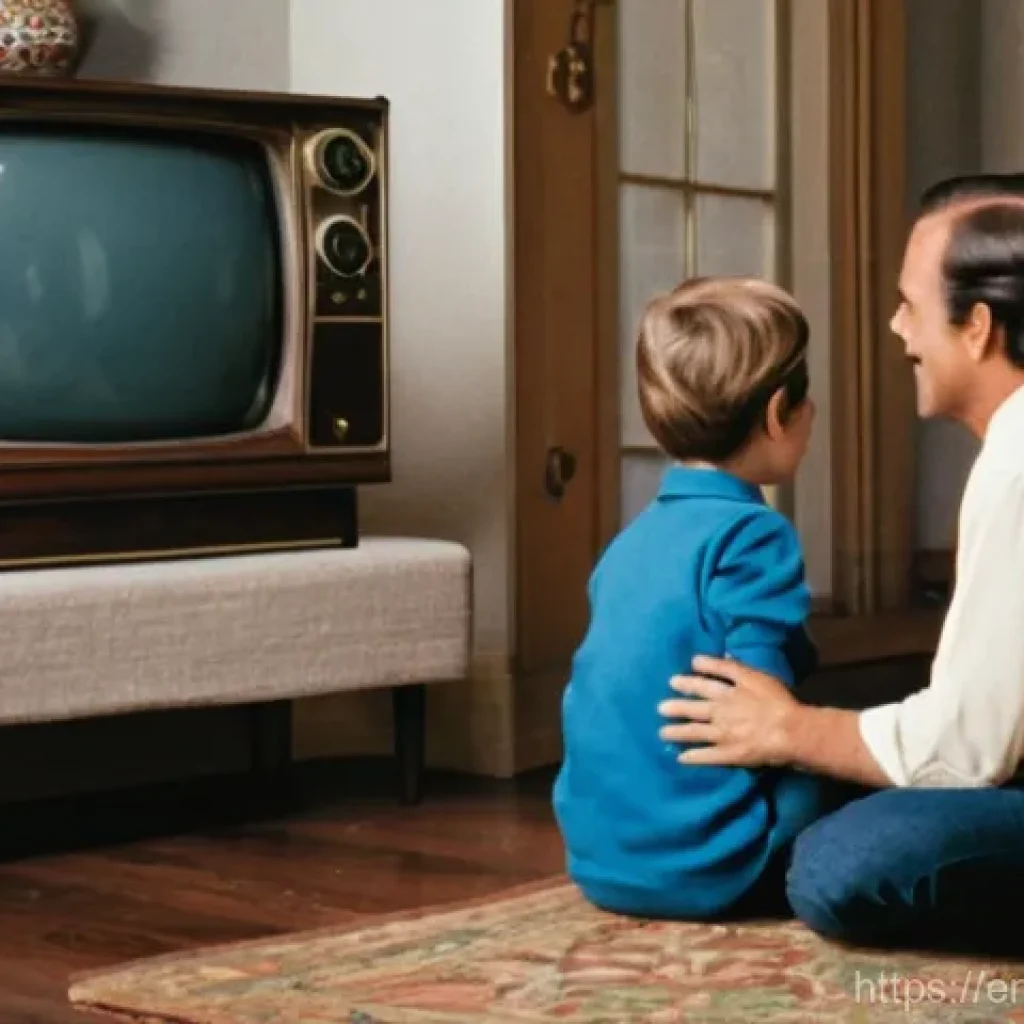
I vividly remember saving every single penny of my allowance for what felt like an absolute eternity just to get my hands on the latest console, and let me tell you, that price tag always felt like a monumental hurdle, a rite of passage even.
It naturally makes you wonder how these massive companies decide what to charge, especially when you see some launching at a premium while others seem surprisingly affordable right out of the gate.
And with all the constant buzz around groundbreaking new tech, global economic shifts, and even inflation playing a role these days, understanding the true value and actual cost of these entertainment powerhouses has become infinitely more complex than ever before.
We’re not just talking about the initial purchase anymore; it’s really about the entire intricate ecosystem, right? So, if you’re genuinely curious about the incredible economic journey our favorite gaming gadgets have ridden through history, you’re absolutely in the perfect place.
Let’s dive deep into the intriguing evolution of video game console prices and truly uncover what it all means for us, the passionate gamers.
The Humble Beginnings: When Pixels Cost a Pretty Penny
Oh man, do you ever just look back at those early gaming days and wonder how we even afforded some of those machines? It feels like eons ago, but I distinctly remember my parents scratching their heads at the price tags of the very first home consoles. Think about the Atari 2600, right? When it launched in 1977, it was around $199. That might not sound like much today, but if you adjust that for inflation, we’re talking roughly $1,000 in today’s money! Can you imagine shelling out a grand for a console that played Pong and rudimentary adventure games? It’s wild to think about the perceived value back then. People were captivated by the novelty of bringing arcade-like experiences into their living rooms, and companies knew it. These weren’t just toys; they were groundbreaking pieces of technology that redefined home entertainment. Early adopters paid a premium, not just for the hardware, but for the sheer innovation and the promise of endless fun. I often chat with my uncle about this, and he always says it felt like buying a luxury item, something truly special and cutting-edge that only a few of his friends had. The margins were likely huge for these companies, paving the way for the massive industry we know and love today. It was less about competing on price and more about being the first to market with something truly revolutionary.
The “Luxury Item” Phase: Early Adoption and High Margins
Back in the late 70s and early 80s, video game consoles weren’t the ubiquitous devices they are now. They were absolute marvels, often seen as a luxury item for families who could afford them. The technology was nascent, development costs were high, and the market was still figuring itself out. Companies like Atari could command higher prices because they were pioneers, offering something truly new. There wasn’t much competition to drive prices down, so they set the bar high, and consumers, hungry for this new form of entertainment, largely accepted it. I mean, my older brother saved up for months just to get a hand-me-down from a cousin who upgraded, because a brand new one was simply out of reach for our family for quite a while. That initial investment wasn’t just for the console itself; it was buying into a brand new era of home entertainment, a concept that was truly revolutionary at the time. The games themselves were simpler, often just a few kilobytes, but the experience was unparalleled.
Inflation’s Bite: Understanding Historical Value
When we look at prices from decades ago, it’s so easy to dismiss them as “cheap” by today’s standards. But that’s a huge mistake! The real eye-opener comes when you factor in inflation. That $199 Atari 2600 wasn’t just $199. It represented a significant portion of disposable income for many families. To truly appreciate the cost, we have to adjust it to today’s purchasing power. For instance, the original Nintendo Entertainment System (NES) launched at $199.99 with Super Mario Bros. back in 1985. That’s equivalent to well over $500 today! Suddenly, these “retro” prices don’t seem so modest, do they? I’ve found it fascinating to track this over time, realizing that while the raw numbers might look smaller, the actual burden on a family budget was often comparable, if not higher, than buying a PS5 or Xbox Series X today. It really puts into perspective how much we’ve always valued our gaming experiences, regardless of the era.
The Great Console Wars: Driving Innovation (and Prices!) Through Competition
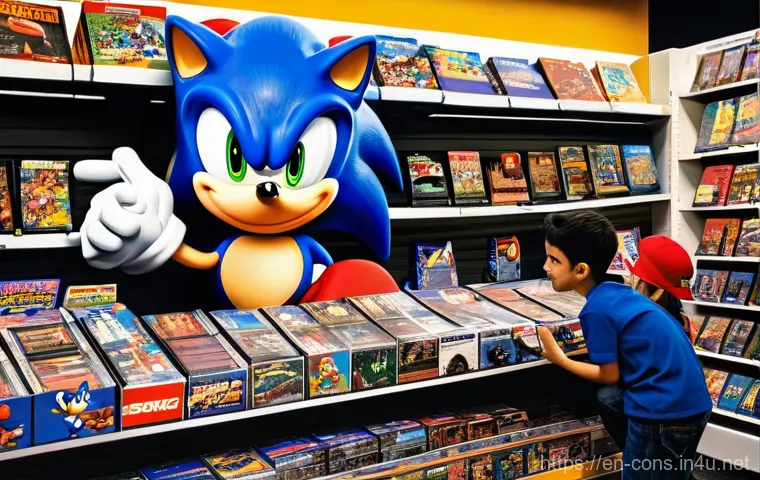
Suddenly, the landscape shifted dramatically. The 8-bit and 16-bit eras introduced us to what I like to call “The Great Console Wars.” This wasn’t just about fun and games anymore; it was about market dominance, and companies like Nintendo and Sega were at each other’s throats. Remember the Sega Genesis vs. Super Nintendo rivalry? Man, those were the days! This fierce competition had a profound impact on console pricing. Suddenly, it wasn’t enough to just have a console; you had to offer compelling value to win over customers. Nintendo launched the Super NES in North America in 1991 for $199.99, while Sega had already established itself with the Genesis for the same price. This created a ceiling, forcing both companies to innovate not just in terms of games and graphics, but also in how they packaged and priced their systems. The bundles became incredibly attractive, often including a killer game like Super Mario World or Sonic the Hedgehog. This competition ultimately benefited us, the gamers, as companies scrambled to offer more for our money. I recall agonizing over which system to ask for on my birthday, knowing that whichever I chose, I was getting a fantastic deal thanks to those fierce marketing battles.
The Price Ceiling and Value Bundles
During the peak of the 8-bit and 16-bit eras, there seemed to be an unspoken, yet very real, price ceiling around the $199 to $249 mark. This was a critical psychological barrier for many consumers. If a console launched significantly above that, it risked alienating a huge portion of the market. This forced manufacturers to get creative. Instead of just dropping prices, they started offering incredible value through game bundles. The Sega Genesis often came packed with Altered Beast or Sonic the Hedgehog, giving you instant gratification right out of the box. Nintendo did the same with the NES Action Set, including Super Mario Bros. and Duck Hunt, complete with the Zapper light gun. These bundles weren’t just about making the initial purchase more appealing; they were crucial for driving game sales and establishing a strong install base. From a personal perspective, getting a console with a game already included felt like hitting the jackpot. It instantly justified the cost because you could play right away without another expense.
Strategic Pricing to Gain Market Share
The competitive environment meant that strategic pricing became paramount. Companies weren’t just thinking about profit margins on the hardware; they were thinking long-term about ecosystem lock-in and software sales. Sometimes, they even sold consoles at a loss, or with razor-thin margins, just to get their hardware into as many homes as possible. This was a calculated risk, betting that the money would be made up on game sales, accessories, and future iterations. This strategy intensified as the market matured. The focus shifted from simply having a console to having *the* console that everyone else had, creating a network effect. I remember when my friend got a new system, it would immediately make me want it even more, not just for the games, but to be part of that shared experience. It shows how powerful competitive pricing can be when combined with social dynamics.
Leaping into 3D: The Price of Cutting-Edge Graphics
Then came the seismic shift: 3D graphics. The mid-90s ushered in a whole new era with consoles like the PlayStation, Nintendo 64, and the Sega Saturn. These machines were incredibly complex, pushing technological boundaries with dedicated 3D acceleration, CD-ROM drives (for most), and entirely new controller designs. This technological leap came with a significant increase in development and manufacturing costs, and consequently, higher launch prices. The original PlayStation landed at $299 in 1995, and the Nintendo 64 followed in 1996, also at $199.99. Interestingly, Sega’s Saturn, which launched earlier in 1995, tried to come in at a steeper $399, a move that definitely raised some eyebrows and arguably hindered its initial success. I remember being absolutely blown away by the graphics of games like Super Mario 64 and Ridge Racer. It felt like playing a movie! But I also remember the sticker shock. Three hundred dollars felt like an enormous sum for a “toy” at the time, especially coming from the $199 standard of the 16-bit era. This was the moment where console prices started pushing past what many considered comfortable, reflecting the enormous R&D going into these powerful new machines.
The CD-ROM Advantage and Cost Implications
The introduction of CD-ROM technology was a game-changer, literally and figuratively. Suddenly, games weren’t limited to expensive, low-capacity cartridges. CDs offered massive storage capacities, cheaper manufacturing costs per unit (for the games, not necessarily the console drive), and opened the door to full-motion video, orchestral soundtracks, and more expansive worlds. However, integrating a reliable CD-ROM drive into a console added significant cost to the hardware itself. The PlayStation and Saturn embraced this, while Nintendo famously stuck with cartridges for the N64, citing faster load times and piracy concerns. This decision heavily influenced their manufacturing costs and, consequently, the price point for games and console bundles. I remember how much cheaper PlayStation games were compared to N64 cartridges, which often cost upwards of $70 or even $80. It was a trade-off: higher console price for CDs but cheaper games, versus a potentially lower console price for cartridges but more expensive games.
Balancing Innovation and Consumer Budgets
This generation was all about balancing incredible technological innovation with what consumers were willing to pay. Companies were investing heavily in custom chips and proprietary architectures to deliver that immersive 3D experience. The Nintendo 64’s lower launch price of $199.99 initially seemed like a brilliant move, but the higher cost of N64 game cartridges often offset that initial saving for consumers over time. Meanwhile, the PlayStation’s $299 price was a bold statement, but its cheaper game media quickly made it a more attractive long-term investment for many. The market was essentially performing a real-time experiment in price elasticity. I honestly think Sony nailed that balance with the PlayStation, making it feel like a premium product but one that was still within reach for many, especially when considering the overall cost of ownership.
The Online Revolution: Value-Added Services and Shifting Price Models
Fast forward to the 2000s and beyond, and we saw another monumental shift: the rise of online gaming and digital services. The Xbox 360 and PlayStation 3 generation really solidified this. Consoles weren’t just about playing games; they were media centers, streaming devices, and social hubs. This added immense value, but it also introduced new complexities to pricing. We saw initial launch prices for these consoles climb even higher. The PS3, for example, launched with a staggering $499 (20GB model) and $599 (60GB model) price tag in 2006, largely due to the inclusion of an expensive Blu-ray drive and powerful Cell processor. The Xbox 360 was a bit more accessible at $399 for its premium version, which helped it gain an early lead. This era also introduced us to paid online subscriptions like Xbox Live Gold, which became a standard, adding a recurring cost that we often just accept now. I definitely felt the pinch when the PS3 launched; that $599 price point was a serious conversation starter in my gaming group, making it feel like a luxury car purchase rather than a video game console.
The “Trojan Horse” Strategy: Subsidized Hardware, Premium Services
This generation truly embraced the “Trojan Horse” strategy where the console itself might be sold at a near-loss or even a slight loss, with the expectation of making profits through software sales, accessories, and critically, online subscriptions. Xbox Live Gold became a huge revenue stream for Microsoft, offering a stable, feature-rich online experience for a recurring fee. Sony eventually followed suit with PlayStation Plus, albeit offering free games as a strong incentive. This model completely reshaped how we perceive the total cost of a console. It’s no longer just the upfront price; it’s the console, plus the games, plus the monthly or annual subscription for online play and bonus content. I can tell you from my own experience, those subscription fees really add up over the years, often surpassing the initial cost of the console itself!
Digital Distribution and Game Pricing

The advent of widespread digital distribution also influenced console pricing. While the console hardware price might still be high, the digital storefronts offered new avenues for game sales, including indie titles, DLC, and season passes. This created a much more dynamic ecosystem for generating revenue. It also allowed for flash sales and discounts, which sometimes made games more accessible, though the base price of new AAA titles remained consistent at around $60 (and more recently $70). The ease of buying games digitally from your couch meant less friction, which in turn encouraged more purchases. I’ve definitely fallen victim to those tempting digital sales, building up a huge backlog of games without even realizing how much I’ve spent over time!
Beyond the Box: The Hidden Costs That Add Up
When we talk about console pricing, it’s honestly easy to just focus on the initial cost of the hardware itself. But as any seasoned gamer knows, that’s just the tip of the iceberg! The true cost of being a gamer extends far beyond the console itself. Think about it: how many extra controllers have you bought? What about those ridiculously expensive gaming headsets, or the annual subscriptions for online play that we just talked about? And don’t even get me started on the games themselves – those AAA titles launching at $70 a pop can really add up, especially if you’re keen on grabbing the latest releases. Then there’s DLC, season passes, microtransactions for cosmetics or boosters… the list goes on. I remember saving up for months to get my first console, only to realize I then needed to save even more for a second controller so I could play with my friends. It felt like a never-ending cycle of wanting and buying, but honestly, it’s all part of the gaming experience, right? It just goes to show that the perceived value of a console isn’t just its hardware price, but the entire ecosystem of entertainment it unlocks.
Accessories and Peripherals: Essential Add-ons
Who among us hasn’t felt the irresistible pull of a new gaming accessory? From custom-designed controllers to high-fidelity gaming headsets, external hard drives, charging docks, and even fancy gaming chairs – these peripherals can significantly inflate the total cost of your gaming setup. While some are optional luxuries, others, like additional storage for huge game files, are becoming near-essentials. I’ve personally invested in a really good headset, and while it was a chunk of change upfront, it’s dramatically improved my multiplayer experience, so I consider it money well spent. But it’s crucial to acknowledge that these aren’t trivial expenses; they’re an integral part of the overall gaming budget for many of us.
The Subscription Economy: Ongoing Costs for Online Play and More
As I mentioned earlier, the subscription model has become deeply entrenched in modern console gaming. Services like PlayStation Plus, Xbox Game Pass, and Nintendo Switch Online provide access to online multiplayer, monthly free games, cloud saves, and exclusive discounts. While they offer tremendous value, especially services like Game Pass with its massive library, they represent an ongoing, recurring cost that needs to be factored into the long-term expense of console ownership. It’s easy to overlook these monthly or annual fees when you’re excited about a new console, but they really add up over the lifespan of a console. I’ve probably spent more on subscriptions over the years than on the consoles themselves!
What’s Next for Our Wallets? The Future of Console Pricing
So, where do we go from here? Looking ahead, the future of console pricing is probably going to be as dynamic and unpredictable as its past. We’re already seeing trends that suggest new models are emerging. Cloud gaming services, for instance, could drastically reduce the need for expensive upfront hardware, moving us towards a subscription-only model for gaming itself. Then there’s the ongoing debate around mid-generation console refreshes, like the PS4 Pro and Xbox One X, or the rumored PS5 Pro and new Xbox models. These offer enhanced performance at a new price point, blurring the lines of traditional console generations. And let’s not forget the impact of global economics, chip shortages, and inflation, all of which continue to put upward pressure on manufacturing costs. I’ve always been fascinated by how these external factors ripple down to the price we see on the shelf. It’s a complex dance between technological ambition, market demands, and economic realities.
The Rise of Cloud Gaming and Subscription Services
Cloud gaming, with services like Xbox Cloud Gaming, GeForce Now, and PlayStation Plus Premium, hints at a future where powerful hardware might become optional for many. If you can stream the latest games directly to a relatively inexpensive device like a smart TV or a low-spec laptop, the traditional console as we know it might evolve dramatically. This could significantly lower the barrier to entry for many gamers, shifting the primary cost from hardware ownership to recurring service subscriptions. It’s a fascinating prospect, especially for those who can’t or don’t want to shell out hundreds of dollars for a new box every few years. I’ve tried some cloud gaming, and while the technology still has hurdles, the potential for accessibility and affordability is huge.
Mid-Generation Refreshes and Price Segmentation
The trend of mid-generation console refreshes seems here to stay. These “Pro” or “X” versions offer enhanced graphics and performance without requiring a full generational leap. This creates a tiered pricing structure within a single generation, allowing consumers to choose between a more affordable base model and a more premium, powerful version. It’s a smart move for manufacturers, extending the lifespan of their platforms and capturing different segments of the market. However, it can also complicate buying decisions for us, the consumers, making us wonder if we should wait for the “better” version or jump in now. I personally upgraded to a PS4 Pro and definitely felt the benefit, but it was another significant investment on top of the original console.
And here’s a quick look at some notable console launch prices and what they’d be roughly worth today, to really put things into perspective. Keep in mind, these are approximate inflation adjustments and can vary slightly based on specific indexes, but they give us a solid idea!
| Console Name | Original Launch Year | Original Launch Price | Approx. Price in 2023 USD (Inflation Adjusted) |
|---|---|---|---|
| Atari 2600 | 1977 | $199 | ~$1,000 – $1,050 |
| Nintendo Entertainment System (NES) | 1985 | $199.99 | ~$550 – $600 |
| Sega Genesis | 1989 | $189.99 | ~$470 – $500 |
| Super Nintendo Entertainment System (SNES) | 1991 | $199.99 | ~$420 – $450 |
| Sony PlayStation | 1995 | $299.99 | ~$600 – $630 |
| Nintendo 64 | 1996 | $199.99 | ~$390 – $410 |
| Sega Dreamcast | 1999 | $199.99 | ~$360 – $380 |
| Sony PlayStation 2 | 2000 | $299.99 | ~$520 – $540 |
| Microsoft Xbox | 2001 | $299.99 | ~$500 – $520 |
| Microsoft Xbox 360 | 2005 | $399.99 | ~$600 – $620 |
| Sony PlayStation 3 (60GB) | 2006 | $599.99 | ~$870 – $900 |
| Nintendo Wii | 2006 | $249.99 | ~$360 – $380 |
| Sony PlayStation 4 | 2013 | $399.99 | ~$510 – $530 |
| Microsoft Xbox One | 2013 | $499.99 | ~$640 – $660 |
| Nintendo Switch | 2017 | $299.99 | ~$370 – $390 |
| Sony PlayStation 5 (Disc) | 2020 | $499.99 | ~$580 – $600 |
| Microsoft Xbox Series X | 2020 | $499.99 | ~$580 – $600 |
Closing Thoughts
Wow, what a journey through the evolution of console pricing, right? It’s genuinely fascinating to look back and see how much has changed, yet how some core principles of value and innovation have remained constant. From those initial, almost prohibitively expensive luxury items to the fiercely competitive market of today, each era has left its unique mark on our gaming budgets. Ultimately, it’s a testament to the enduring appeal of video games and the incredible experiences they offer that we, as gamers, continue to invest so much in them. It’s not just about the plastic box; it’s about the countless hours of fun, the stories, the friendships forged online, and the sheer escapism that these wonderful machines bring into our lives. Thanks for taking this trip down memory lane with me!
Useful Information to Know
1. Understand Inflation’s True Impact: Don’t just look at historical dollar amounts. Always consider what those prices meant in their respective eras when adjusted for inflation. A $200 console in 1985 was a far more significant investment than you might initially think, often comparable to or even exceeding today’s premium console prices. This helps you appreciate the historical value and understand why some consoles felt so groundbreakingly expensive at the time. It really puts into perspective how much we’ve always been willing to pay for cutting-edge entertainment.
2. Factor in the Total Cost of Ownership: The initial console price is rarely the whole story. Remember to budget for essential accessories like extra controllers, a decent gaming headset, and potentially additional storage. Crucially, account for online subscription services (PlayStation Plus, Xbox Game Pass, Nintendo Switch Online) and the cost of games, especially new AAA titles. My own experience has shown that these ongoing costs can easily surpass the console’s upfront price over its lifespan, so it’s smart to plan for them from the start.
3. Leverage Competition to Your Advantage: The fierce competition between console manufacturers often leads to better deals for consumers. Keep an eye out for attractive bundles that include popular games, discounted prices during sales events (especially around holidays), and trade-in offers. History has shown that intense market rivalry pushes companies to offer more value, so being patient and watching the market can save you a significant amount of money.
4. Consider Mid-Generation Refreshes Wisely: With the trend of “Pro” or “X” versions of consoles becoming more common, think about your gaming habits. If you prioritize the absolute best graphics and performance, waiting for a mid-gen refresh might be worth it. However, if you’re content with solid performance and just want to play the latest games, the base model is often more than sufficient and more budget-friendly. I’ve found that sometimes the performance jump isn’t as dramatic as the price jump, so it’s all about balancing your expectations with your wallet.
5. Explore Cloud Gaming and Subscription Services: The future is leaning heavily towards subscription models and cloud gaming. Services like Xbox Game Pass offer a vast library of games for a monthly fee, potentially saving you money on individual game purchases. Cloud gaming can also reduce the need for expensive hardware. While not perfect yet, it’s worth exploring these options to see if they fit your playstyle and budget, especially if you’re looking to minimize upfront investment in physical hardware. It could be a game-changer for accessibility.
Key Takeaways
Understanding console pricing is a dynamic balancing act between technological innovation, market competition, and economic realities. We’ve seen how early consoles were perceived as luxury items, with high prices reflecting their groundbreaking status. As the industry matured, fierce competition drove prices down and value up, often through strategic bundling. The leap to 3D graphics and online services brought higher initial costs, which were sometimes offset by cheaper games or subsidized hardware models supported by recurring subscription revenues. Crucially, the true cost of gaming extends far beyond the console’s price tag, encompassing accessories, games, and ongoing service subscriptions. Looking ahead, cloud gaming and mid-generation refreshes are set to further reshape how we pay for our interactive entertainment, emphasizing flexibility and subscription-based access. It’s a fascinating, ever-evolving landscape where technology, strategy, and consumer demand constantly influence the price we pay for our pixels.
Frequently Asked Questions (FAQ) 📖
Q: Why do console prices seem to fluctuate so much across different generations, and what hidden factors truly influence that initial launch price we see?
A: Oh, this is such a fantastic question, and one I’ve pondered countless times while trying to justify my next big console purchase! You know, it’s not just about slapping a number on a box.
From my perspective, having watched this industry evolve for decades, console pricing is a complex dance involving R&D costs – think of the years of engineering and innovation that go into making these powerful machines.
Then there’s the cost of manufacturing, which can swing wildly based on component prices, especially those cutting-edge processors and GPUs. Don’t forget marketing!
These companies spend fortunes to get us hyped up, and that cost gets baked in. What I’ve personally noticed is that competition plays a massive role too.
If a competitor launches at a certain price, others often adjust to stay in the game. Sometimes, a company might even sell a console at a loss initially, hoping to make up the difference through game sales and online subscriptions – a strategy I’ve seen pay off big time for some, and crash and burn for others.
It’s a gamble, really, and as gamers, we often get to see the thrilling results of those high-stakes decisions.
Q: Beyond the console itself, what are some of the other significant, often overlooked, costs that true gamers should always factor into their budget when getting a new system?
A: This is where things get real, right? I’ve been there so many times: you save up, grab that shiny new console, and then BAM! You realize the journey has just begun.
The sticker price is just the entry ticket, my friends. First up, games! Most new titles clock in at $60-$70 these days, and trust me, you won’t just buy one.
Then there are essential accessories. A second controller for couch co-op with friends (a must in my book!) or a high-quality gaming headset for those intense online sessions can quickly add up.
Don’t even get me started on online subscription services like PlayStation Plus or Xbox Game Pass – they’re practically mandatory for multiplayer and often come with free games, which is a nice perk, but still an ongoing cost.
What many of us often forget is the potential for digital game purchases, DLC, and season passes. I’ve personally sunk more money into digital storefronts than I care to admit!
And let’s be honest, replacing a worn-out controller or, heaven forbid, needing a repair down the line, can also hit your wallet. It’s truly an entire ecosystem, and understanding all these pieces before you dive in makes for a much happier gaming experience.
Q: How have broader global economic forces, such as inflation or supply chain disruptions, genuinely reshaped the cost of consoles for us gamers in recent years?
A: Oh, this is a topic that hits close to home for anyone who’s tried to snag a new console lately! I’ve certainly felt the pinch myself. In the past few years, we’ve witnessed firsthand how global economic factors can completely shake up the gaming world.
Inflation, for instance, means that the raw materials and labor costs for manufacturing consoles have increased, pushing up the final price tag for us.
I remember seeing prices creep up for even seemingly minor accessories, and it’s a direct reflection of these broader economic trends. Then there’s the massive impact of supply chain disruptions.
The challenges of getting crucial components, like semiconductors, from factories to assembly lines and then into our living rooms caused huge shortages and, inevitably, drove up prices.
I saw consoles selling for hundreds over retail just because they were so scarce! Currency exchange rates also play a silent but significant role; a weaker dollar, for example, can make imported consoles and components more expensive.
It’s a stark reminder that our beloved hobby isn’t isolated from the real world, and understanding these external forces helps us make more informed decisions about when and how we invest in our gaming passions.