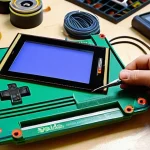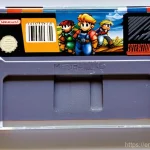
Remember those endless car rides, Game Boy Advance clutched in hand, screen barely visible under a dim streetlamp? That wasn’t just a fleeting moment of childhood joy; for me, it was a profound initiation into worlds that felt boundless, shaping a lifelong love for interactive storytelling.
There’s a raw, undeniable magic to those 32-bit pixels that even today’s hyper-realistic graphics can’t quite replicate – a feeling I’ve chased in countless modern titles.
As someone who spent countless hours meticulously exploring every nook and cranny in games like *The Legend of Zelda: The Minish Cap* or agonizing over party setups in *Golden Sun*, I can tell you these aren’t just games; they’re foundational cornerstones of an era that continues to profoundly influence contemporary indie developers and captivate entirely new audiences.
The sheer replayability and depth packed into those tiny cartridges still astound me, proving that innovation isn’t solely tied to graphical fidelity.
With the recent surge in retro gaming’s popularity, alongside the critical ongoing efforts for game preservation and the exciting possibilities of bringing these classics to modern platforms through services like Nintendo Switch Online, the GBA’s legacy isn’t merely nostalgic; it’s more relevant than ever.
This enduring appeal serves as a powerful reminder that truly exceptional game design transcends hardware and time, proving their immense worth even amidst today’s cutting-edge releases and the ever-evolving landscape of AI-driven gaming experiences.
Let’s unravel the timeless brilliance of these GBA gems.
Remember those endless car rides, Game Boy Advance clutched in hand, screen barely visible under a dim streetlamp? That wasn’t just a fleeting moment of childhood joy; for me, it was a profound initiation into worlds that felt boundless, shaping a lifelong love for interactive storytelling.
There’s a raw, undeniable magic to those 32-bit pixels that even today’s hyper-realistic graphics can’t quite replicate – a feeling I’ve chased in countless modern titles.
As someone who spent countless hours meticulously exploring every nook and cranny in games like *The Legend of Zelda: The Minish Cap* or agonizing over party setups in *Golden Sun*, I can tell you these aren’t just games; they’re foundational cornerstones of an era that continues to profoundly influence contemporary indie developers and captivate entirely new audiences.
The sheer replayability and depth packed into those tiny cartridges still astound me, proving that innovation isn’t solely tied to graphical fidelity.
With the recent surge in retro gaming’s popularity, alongside the critical ongoing efforts for game preservation and the exciting possibilities of bringing these classics to modern platforms through services like Nintendo Switch Online, the GBA’s legacy isn’t merely nostalgic; it’s more relevant than ever.
This enduring appeal serves as a powerful reminder that truly exceptional game design transcends hardware and time, proving their immense worth even amidst today’s cutting-edge releases and the ever-evolving landscape of AI-driven gaming experiences.
Let’s unravel the timeless brilliance of these GBA gems.
The Unrivaled Depth of Portable Role-Playing

When I think back to the Game Boy Advance, my mind immediately conjures images of sprawling maps, intricate battle systems, and character development arcs that felt truly epic, especially considering the device fitting snugly in my pocket.
It wasn’t just about simple pick-up-and-play sessions; these were experiences you could sink dozens, even hundreds, of hours into, losing yourself completely in their narratives.
For me, the GBA solidified the idea that portable gaming didn’t have to mean shallow gaming. Developers truly pushed the boundaries, squeezing massive worlds, complex stories, and deep mechanics onto those tiny cartridges.
The sheer ambition displayed in these titles, many of which felt like direct translations or spiritual successors to console RPGs, was genuinely groundbreaking.
I remember countless nights huddled under a blanket, the screen glow providing the only light, meticulously planning my next move in a turn-based battle or meticulously equipping my party members for a daunting dungeon delve.
This wasn’t just entertainment; it was a commitment, a journey I undertook alongside my pixelated companions, and the emotional investment was immense.
The fact that these games still hold up so well today is a testament to their brilliant design.
1. Epic Sagas in Your Pocket: Redefining Portable Narratives
Before the GBA, truly expansive, narrative-driven RPGs were largely confined to home consoles. But then came titles like *Golden Sun* and its sequel, *Golden Sun: The Lost Age*, which absolutely blew my mind.
The world-building, the sheer scope of the lore, the elemental Psynergy powers that weren’t just for combat but also integral to environmental puzzles – it all felt so grand.
I remember spending hours talking to every NPC, searching every corner for hidden Djinn, and getting genuinely invested in the fate of Weyard. It proved that deep, engaging storylines could thrive on a handheld device.
Similarly, the *Pokémon* series, with its Ruby, Sapphire, and Emerald iterations, continued to evolve, offering new regions, creatures, and competitive elements that captured millions, myself included.
The way these games managed to foster a sense of adventure, exploration, and personal connection to your team of monsters was unparalleled. It wasn’t just about catching ’em all; it was about the journey, the battles, and the personal growth of both trainer and Pokémon, a dynamic that felt incredibly rewarding.
2. Tactical Depth and Strategic Combat Systems
Beyond just compelling narratives, the GBA was a haven for tactical combat. *Fire Emblem* made its Western debut on the platform, introducing a whole generation to its brutal, permadeath-laden strategic battles.
Losing a beloved unit in *Fire Emblem* felt like a punch to the gut; it heightened the stakes in a way few other games could. I had to genuinely think several moves ahead, managing unit placements, weapon triangle advantages, and terrain effects.
It wasn’t about button mashing; it was about intellect and foresight. Similarly, *Advance Wars* offered a more modern, military-themed take on turn-based strategy, with charming characters and surprisingly deep mechanics.
I spent countless hours perfecting my CO power usage and unit compositions. These games taught me patience and strategic thinking, skills I found myself applying to other aspects of life.
They were challenging, yes, but incredibly rewarding, and mastering their systems felt like a significant achievement.
Pixel-Perfect Platforming and Action Adventures
The GBA wasn’t just for lengthy RPGs; it was also a powerhouse for fast-paced action and precision platforming. The device’s crisp screen and responsive buttons made it an ideal home for genres that demanded quick reflexes and impeccable timing.
I remember the sheer joy and occasional frustration of navigating complex levels, chaining together combos, and defeating formidable bosses. These games often relied on beautiful pixel art to convey their vibrant worlds, a style that, in my opinion, holds up remarkably well even today, arguably better than some early attempts at 3D on other handhelds.
There was a purity to the gameplay loops here – jump, attack, explore, repeat – that was endlessly satisfying. Many of these titles were direct continuations of beloved console series, yet they often brought their own innovative twists to the handheld format, proving that GBA was a platform capable of housing true masterpieces.
1. Metroidvania Marvels: Exploration and Discovery
For me, the GBA became synonymous with the Metroidvania genre, thanks largely to the incredible *Castlevania* titles: *Circle of the Moon*, *Harmony of Dissonance*, and especially *Aria of Sorrow*.
*Aria of Sorrow* stands out as a personal favorite. The soul system – where you could absorb abilities from defeated enemies – was a stroke of genius, offering unparalleled customization and replayability.
I vividly recall the excitement of exploring Dracula’s castle, uncovering secret passages, and slowly pieving together the map. Each new ability opened up previously inaccessible areas, creating this wonderful sense of progression and discovery.
It wasn’t just about fighting; it was about truly understanding the environment and your capabilities within it. The feeling of finally defeating a tough boss after countless attempts, powered by the perfect combination of souls, was pure exhilaration.
These games truly showcased the GBA’s capacity for intricate level design and rewarding exploration.
2. High-Speed Thrills and Responsive Controls
Beyond the methodical exploration, the GBA also excelled at delivering exhilarating, high-speed action. *Wario Land 4* immediately comes to mind, with its unique blend of platforming, puzzle-solving, and speedrunning elements.
Wario’s varied transformations and the frantic rush to the exit before the timer ran out created an addictive gameplay loop. It felt fresh and constantly surprising.
Then there were the *Sonic Advance* games, which, to me, perfectly captured the essence of classic 2D Sonic in a portable format. Zipping through levels at blistering speeds, grinding on rails, and collecting rings felt incredibly satisfying.
The controls were tight, allowing for precise movements even at high velocities, which was crucial for these types of games. The visual flair of these titles, with their vibrant color palettes and smooth animations, really made the GBA screen pop, demonstrating how well a dedicated handheld could perform.
The Art of Innovation: Pushing Visual and Sound Boundaries
When the Game Boy Advance first arrived, I remember being absolutely captivated by the leap in graphical fidelity and audio quality compared to its predecessor.
While it wasn’t a powerhouse by console standards, developers leveraged its capabilities in incredibly clever ways. They understood the strengths of pixel art, utilizing vibrant color palettes and intricate sprites to create worlds that felt alive and expressive.
The art direction in many GBA games transcended mere technical limitations, often achieving a timeless aesthetic that still looks fantastic today. The sound chip, too, was a massive upgrade, allowing for more complex musical compositions and clearer sound effects that truly enhanced the immersion.
This wasn’t just about better graphics; it was about smart design choices that maximized the hardware’s potential, creating unique visual and auditory experiences that were distinct from what was available on home consoles.
1. Pixel Art Mastery and Expressive Animation
Many GBA titles are still lauded today for their incredible pixel art. *Metroid Fusion* is a prime example, with its detailed environments and the beautifully animated Samus Aran.
Every enemy, every background element, felt meticulously crafted. The way light reflected off surfaces or how Samus’s suit changed with power-ups was mesmerizing.
Similarly, the *Golden Sun* series showcased an impressive use of color and detailed character sprites, particularly during the Psynergy animations and battle sequences.
These weren’t just static images; the characters had expressive idle animations, and their actions in combat were fluid and impactful. It really felt like the artists poured their hearts into every single pixel, recognizing that art style could elevate a game beyond its raw technical specifications.
This commitment to visual craftsmanship created an aesthetic legacy that continues to inspire indie developers globally.
2. Elevating Portable Audio Experiences
Before the GBA, portable game music often felt limited, sometimes even tinny. But the GBA changed that. I remember the iconic opening theme of *The Legend of Zelda: The Minish Cap* sounding so rich and orchestral, a genuine departure from previous handheld Zelda titles.
The GBA allowed for more nuanced compositions, with distinct instrument sounds and dynamic shifts in music to match the on-screen action. The battle themes in *Golden Sun* were incredibly catchy and added significant hype to every encounter, while the atmospheric tunes in *Metroid Fusion* created a palpable sense of dread and isolation.
Sound effects also saw a dramatic improvement; the satisfying *thwack* of a sword, the distinct sound of a power-up, or the subtle environmental noises all contributed to a much more immersive experience.
This improved audio fidelity made the worlds feel more believable and the action more impactful.
Bringing Worlds to Life: Narrative and Immersion
The GBA was a storytelling dark horse, delivering compelling narratives that often belied the small screen they were played on. For me, the true magic wasn’t just in the pixels or the gameplay mechanics, but in how these elements coalesced to create genuinely immersive worlds.
I distinctly remember getting lost in the lore, feeling connected to the characters, and being genuinely invested in the outcomes of their journeys. This level of immersion wasn’t a given for handhelds at the time, and it speaks volumes about the developers’ dedication to crafting experiences that resonated deeply.
They understood that a portable device didn’t mean a superficial experience; rather, it presented an opportunity to bring rich, detailed universes directly into our hands, transforming everyday commutes or quiet evenings into epic adventures.
1. Character Development and Emotional Resonance
One of the most powerful aspects of GBA games for me was the way they handled character development. In games like *Final Fantasy Tactics Advance*, I became incredibly attached to my clan members, making strategic choices that weren’t just about winning battles but also about protecting characters I had grown to care about.
The dilemmas presented, the personal struggles of the protagonists – these weren’t just background noise; they drove the narrative forward and elicited genuine emotional responses from me.
The interactions between characters, often conveyed through detailed sprite animations and text, felt surprisingly nuanced. This focus on personal journeys and the relationships forged along the way made the victories feel more triumphant and the losses more poignant, leaving a lasting impression long after I turned off my console.
2. Environmental Storytelling and Lore Building
The GBA excelled at creating worlds that felt lived-in, often through clever environmental storytelling. Even without voice acting, games like *The Legend of Zelda: The Minish Cap* conveyed a rich sense of history and culture through their architecture, NPC dialogue, and item descriptions.
Every town, every dungeon, felt unique and contributed to the overarching lore. I remember meticulously searching every bookshelf in *Golden Sun* to uncover more about Djinn or the ancient civilization.
This attention to detail encouraged exploration and rewarded curiosity, making the act of discovery an integral part of the gameplay. The world felt like a character in itself, constantly revealing new secrets and inviting deeper investigation, which massively enhanced the sense of immersion.
The GBA’s Enduring Influence on Modern Gaming
It might seem strange to think that a 20-year-old handheld console could still be so relevant, but for me, the impact of the Game Boy Advance is undeniable in today’s gaming landscape.
Many of the design philosophies, artistic choices, and even specific mechanics pioneered or perfected on the GBA continue to resurface in modern indie games and even AAA titles.
Developers today, especially those working on smaller, more focused projects, often look back to the GBA era for inspiration, recognizing the brilliance that came from working within creative constraints.
This era proved that compelling gameplay and artistic vision could overcome hardware limitations, a lesson that resonates strongly with today’s independent developers.
It’s not just about nostalgia; it’s about a foundational understanding of what makes a game truly great.
1. Inspiring a New Wave of Indie Developers
When I play a modern pixel-art indie game, especially a Metroidvania or a turn-based RPG, I often feel the spirit of the GBA shining through. Titles like *Shovel Knight* or *Dead Cells*, while technically far more advanced, often emulate the feeling of precision platforming and tight controls that the GBA was famous for.
Developers openly cite GBA classics as direct influences, drawing lessons from their level design, combat pacing, and progression systems. The constraint-driven creativity of the GBA era taught developers to be incredibly efficient and clever with their resources, a mindset that is perfectly suited for indie development.
It’s a beautiful cycle of inspiration, with new games carrying forward the torch of design excellence ignited on that small, colorful screen.
2. The Imperative of Game Preservation and Accessibility
The ongoing efforts to preserve classic GBA titles and make them accessible on modern platforms, like Nintendo Switch Online, are incredibly important to me.
It’s not just about letting older players revisit their childhoods; it’s about introducing these foundational works of game design to entirely new audiences.
My kids, for instance, can now experience the magic of *Metroid Fusion* or *The Legend of Zelda: The Minish Cap* without needing a relic of a console.
This accessibility ensures that the artistic and technical achievements of the GBA era are not lost to time but continue to inspire and entertain. Preservation isn’t just about archiving; it’s about keeping these experiences alive and relevant for future generations, showcasing that great design truly is timeless.
Rediscovering Lost Treasures and Hidden Gems
While many iconic titles immediately come to mind when we talk about the GBA, part of the joy of exploring its library, both then and now, is unearthing the less-talked-about, yet equally brilliant, hidden gems.
For every *Mario* or *Zelda*, there were dozens of incredibly unique and well-crafted experiences that, for various reasons, didn’t always get the mainstream attention they deserved.
As someone who loves diving deep into a console’s catalog, finding these lesser-known titles felt like discovering secret passages in a beloved game – a rewarding experience that broadened my appreciation for the GBA’s diverse offerings.
These games often showcased incredible creativity and pushed boundaries in subtle ways, proving that innovation wasn’t limited to the big-name franchises.
1. Unearthing Unique Gameplay Experiences
Some of my most cherished GBA memories come from games I stumbled upon by chance. Take *Drill Dozer*, for example. It’s a platformer where you control a mech that drills through obstacles and enemies.
The tactile feedback of the rumble pack built into the cartridge was revolutionary at the time, and the ingenious level design revolved entirely around this unique drilling mechanic.
It was such a fresh concept, executed with incredible polish. Then there’s *Kuru Kuru Kururin*, a quirky puzzle game where you navigate a constantly rotating stick through mazes.
It sounds simple, but it was fiendishly addictive and required immense precision. These games demonstrated that the GBA was a playground for unique ideas, not just a port machine, and my experience playing them was consistently one of delightful surprise.
2. The Charm of Niche Genres and Cult Classics
The GBA also played host to some fantastic niche titles that have since gained cult followings. *Rhythm Heaven Silver* (known as *Rhythm Tengoku* in Japan) is a perfect example – a rhythm game with incredibly quirky characters and catchy music that was years ahead of its time.
I imported it and spent countless hours trying to perfect its bizarre mini-games. Another one that comes to mind is *Sigma Star Saga*, a unique hybrid of a top-down RPG and a side-scrolling shooter.
The seamless transitions between genres were innovative, creating a truly distinct experience that kept me on my toes. Discovering these games felt like being part of a secret club, and sharing these experiences with friends who also ventured beyond the mainstream solidified their place in my gaming heart.
Community, Connectivity, and Competitive Play
The Game Boy Advance wasn’t just a solitary experience; it fostered a strong sense of community and friendly competition through its link cable capabilities and, later, wireless adapters.
For me, some of the most memorable moments with my GBA involved connecting with friends, whether for intense battles, cooperative adventures, or simply trading collectibles.
This social dimension amplified the replayability of many titles and created shared experiences that transcended the individual gameplay. It demonstrated how even a relatively simple console could facilitate vibrant social interactions, paving the way for the networked gaming we see ubiquitously today.
The GBA truly understood the power of playing together, a lesson that modern platforms continue to build upon.
1. The Thrill of Link Cable Battles and Trades
There’s something incredibly visceral about connecting two GBA consoles with a physical link cable, hearing that satisfying click, and then diving into a multiplayer session.
*Pokémon* was, of course, the king of this, with countless hours spent battling friends’ meticulously trained teams or trading rare Pokémon to complete the Pokédex.
I remember the sheer intensity of those battles, the trash talk, and the triumphant shouts. It wasn’t just about winning; it was about the shared experience, the collective energy of a group of friends gathered around, each with their own GBA.
The *Mario Kart: Super Circuit* multiplayer, too, was a blast, offering surprisingly robust four-player racing, a feat for a handheld at the time. These direct connections fostered a level of competition and camaraderie that felt truly special and unique to the GBA era.
2. Cooperative Adventures and Shared Experiences
Beyond direct competition, the GBA also offered some fantastic cooperative experiences that strengthened bonds and created lasting memories. *The Legend of Zelda: Four Swords* (included with *A Link to the Past* on GBA) was a revelation.
Teaming up with three other friends, each controlling a different Link, to solve puzzles and clear dungeons was incredibly fun and often chaotic. It required genuine teamwork and communication, making successes feel like a collective triumph.
Even simple features like comparing scores in *WarioWare, Inc.: Mega Microgame$!* or unlocking secrets together in games like *Metroid Fusion* (by connecting it to *Metroid Prime* on GameCube) added a social layer that enriched the overall experience.
These shared moments transformed solo gaming into communal joy, proving the GBA was more than just a personal entertainment device.
| GBA Game Title | Defining Innovation/Feature | Enduring Impact |
|---|---|---|
| Golden Sun | Psynergy abilities for combat & world interaction | Set a new standard for portable RPG depth and narrative on handhelds. |
| Metroid Fusion | SA-X encounters, sophisticated environmental storytelling, detailed pixel art | Masterclass in atmosphere, level design, and revitalized the Metroidvania genre. |
| Fire Emblem (GBA) | Western debut of permadeath, deep tactical combat, engaging character relationships | Introduced a beloved tactical RPG series to a global audience, influencing strategy games. |
| The Legend of Zelda: The Minish Cap | Shrinking mechanic, Kinstone fusion, charming art style | Unique gameplay premise, impeccable dungeon design, demonstrated GBA’s creative potential. |
| Advance Wars | Accessible yet deep turn-based strategy, charming CO characters | Popularized military strategy on handhelds, influencing subsequent tactical games. |
Closing Thoughts
As I reflect on the Game Boy Advance’s legacy, it’s clear that its impact extends far beyond mere nostalgia. For me, it wasn’t just a console; it was a companion that shaped my understanding of what video games could be – portable portals to infinitely deep worlds.
The sheer ingenuity of developers working within those constraints still amazes me, reminding us that true innovation isn’t solely tied to raw power but to brilliant design and heartfelt execution.
These pixelated gems continue to teach, entertain, and inspire, proving that exceptional game design truly is timeless, captivating new generations just as powerfully as they captivated me.
Useful Information
1. Explore Emulation: While nothing beats the original hardware, robust emulators like mGBA or VisualBoyAdvance allow you to experience GBA games on PCs, Macs, and even modern smartphones, often with enhanced visuals and save states.
2. Nintendo Switch Online: Nintendo’s official subscription service, specifically the Expansion Pack, now includes a growing library of GBA titles, offering a legitimate and convenient way to play these classics on your Switch console.
3. Physical Collection: Original GBA consoles and cartridges are readily available on online marketplaces (like eBay) and dedicated retro gaming stores. Prices can vary significantly based on rarity and condition, so shop around.
4. Community Resources: Dive into online communities (e.g., Reddit’s r/GameboyAdvance or r/retrogaming) for recommendations, troubleshooting, game preservation discussions, and connecting with fellow enthusiasts.
5. Game Preservation Efforts: Support non-profit organizations and initiatives dedicated to archiving and preserving video game history. These efforts ensure that the cultural significance of consoles like the GBA is maintained for future generations.
Key Takeaways
The Game Boy Advance fundamentally redefined portable gaming, proving that deep RPGs, precise platformers, and innovative action adventures could thrive on a handheld device.
Its mastery of pixel art, elevated audio, and strong community features created an era of iconic titles that continue to influence modern indie developers and underscore the vital importance of game preservation.
The GBA’s legacy is a testament to timeless design and the enduring power of engaging interactive experiences.
Frequently Asked Questions (FAQ) 📖
Q: Given today’s hyper-realistic graphics, what is it about the GB
A: ‘s 32-bit visuals that still holds such a “raw, undeniable magic” for you and many others? A1: Oh, it’s funny, isn’t it? We’ve got games now that look like actual movies, but I swear, there’s a certain je ne sais quoi about those GBA pixels.
For me, it was never about photorealism; it was about what the developers did with the limitations. Think about it: they had to be incredibly clever with sprite design, color palettes, and animation to convey emotion or a grand sense of scale.
I remember playing Minish Cap and just being completely transported by the incredibly detailed, expressive character sprites and the way the environments felt so alive, even with their chunky pixels.
It wasn’t about seeing every pore on a character’s face; it was about the art direction, the fantastic character designs, and the sheer imagination that compensated for the technical constraints.
That kind of creative problem-solving often results in a purity of design that, honestly, sometimes gets lost when you can just throw polygons at a problem.
It forces the game to stand on its core mechanics and art, and that’s something timeless.
Q: You mentioned GB
A: games being “foundational cornerstones of an era” that “profoundly influence contemporary indie developers.” Can you elaborate on how you see this influence playing out in today’s indie scene?
A2: Absolutely! When I dive into some of the incredible indie titles coming out today, I often feel like I’m seeing the GBA’s DNA woven right into their fabric.
The GBA era, for all its technical ‘limitations’ compared to home consoles, really pushed developers to innovate within those bounds. They had to perfect tight platforming, clever puzzle design, and engaging RPG mechanics, all without relying on lavish cutscenes or massive open worlds.
I see this directly reflected in modern indie games that champion precise gameplay, compelling sprite art – a true revival of pixel art, really – and brilliant system design over raw graphical power.
Think of games like Shovel Knight with its NES/GBA-era platforming precision, or certain pixel-art RPGs that feel like spiritual successors to Golden Sun or Mario & Luigi.
Many indie developers grew up with these games, myself included, and that foundational experience clearly informs their design philosophies: a focus on solid mechanics, captivating art direction, and a unique voice, proving that you don’t need a triple-A budget to create something truly memorable.
Q: With retro gaming’s surging popularity and efforts like Nintendo Switch Online bringing classics to modern platforms, what’s your take on the GB
A: ‘s current relevance, especially amidst cutting-edge releases and AI-driven gaming experiences? A3: It’s just phenomenal, isn’t it? The GBA’s relevance now, arguably, is stronger than ever.
For those of us who grew up with it, it’s a wonderful hit of nostalgia, but it’s more than that; it’s about rediscovering genuinely well-crafted games.
And for new players, it’s a chance to experience some truly groundbreaking titles they might have missed. Services like Nintendo Switch Online are crucial because they offer a legal, convenient way to play these gems on modern hardware, often with quality-of-life improvements like save states.
It’s not just about preserving history; it’s about making it accessible and showing that brilliant game design transcends hardware and trends. Even with the advent of AI in game development, which promises entirely new frontiers, these GBA titles serve as a powerful reminder that the heart of gaming lies in clever design, engaging storytelling, and, frankly, just pure fun.
They prove that a well-designed game, no matter how old or ‘low-tech,’ will always hold its own against the flashiest, newest releases because true innovation isn’t just about what’s next, but what endures.
📚 References
Wikipedia Encyclopedia
구글 검색 결과
구글 검색 결과
구글 검색 결과
구글 검색 결과
구글 검색 결과